1-800-252-6885
Greene & Associates Insurance
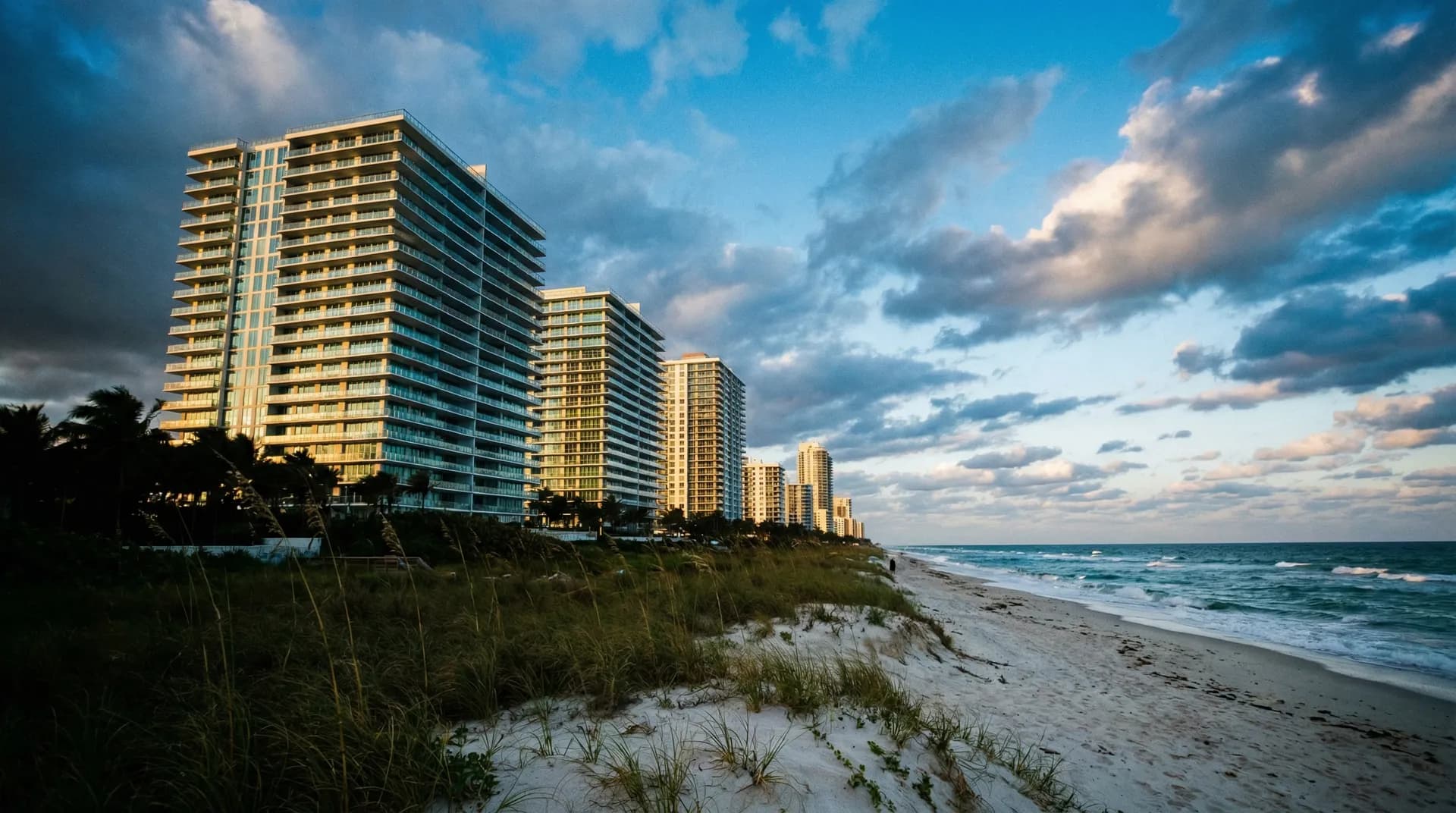
Coastal high-rise condominium building near the ocean in Florida

Florida coastal condo master policy review

Coastal condo building insurance for boards that need the details right

We help Florida condo associations compare master property, wind, flood, liability, D&O, equipment breakdown, and umbrella coverage before renewal pressure turns into assessment pressure.

Coastal Condo Insurance at a Glance

  • A coastal condo program should separate property, wind, flood, liability, D&O, equipment, and umbrella questions instead of treating the master policy as one generic package.
  • Flood is usually reviewed separately from wind or property coverage; RCBAP and private flood options should be compared against the association's real building schedule and requirements.
  • Deductible triggers, valuation wording, ordinance coverage, exclusions, reserves, and assessment exposure can matter as much as the premium.
  • Milestone inspections, structural reserve studies, repair plans, and engineering reports can become important underwriting documents for older coastal buildings.
  • Board members should understand where the master policy stops and where unit-owner HO-6 or loss assessment coverage may need to pick up risk.

Coverage architecture

What a coastal condo insurance program should actually solve

Coastal condo associations need coordinated coverage for the building, board, residents, vendors, amenities, and storm exposure. The goal is not a thicker proposal. It is fewer last-minute surprises.

Carrier friction

Coastal condo accounts get complicated before the quote even starts.

These are the issues we want surfaced early. If they come out after markets are already quoting, the renewal gets slower, the explanations get worse, and the board usually has fewer clean options.

Ask us to review a renewal packet

Wind, flood, and water damage get confused

A hurricane claim can involve wind-driven rain, storm surge, interior water, roof damage, windows, and flood. Boards need to know which policy responds before the loss, not during the argument afterward.

Deductible structure can create assessment pressure

Wind, hurricane, named-storm, all-other-peril, flood, and equipment deductibles may apply differently. We review the trigger, basis, and practical assessment exposure instead of treating the deductible as a footnote.

Older coastal buildings need a stronger underwriting story

Roof age, concrete condition, electrical systems, plumbing, elevators, fire protection, balconies, and opening protection can affect carrier appetite before price is even discussed.

Milestone inspections and reserve studies matter

Florida inspection and structural reserve requirements can create documents underwriters ask about. Clean reports, repair plans, and funded priorities can help separate a serious association from a mystery risk.

Unit owner and association responsibilities blur

The master policy, bylaws, declarations, unit-owner HO-6 policies, loss assessment limits, deductibles, and interior build-out responsibilities need to be understood before residents assume the wrong thing is covered.

Vendor and contractor controls affect liability

Roofers, pool vendors, elevator contractors, security, remediation crews, landscapers, and property managers should be handled with certificates, contracts, additional insured wording, and clear maintenance records.

Before we shop

The documents that make a coastal condo submission look serious

A stronger packet can help underwriters understand the building instead of guessing. Same association, better story, fewer dumb questions. Miracles? No. Competence? Absolutely.

Start with our condo master-policy document checklist if the board packet still needs policies, endorsements, inspections, reserve documents, vendor certificates, or flood details gathered in one place.

1

Current master policy, endorsements, exclusions, deductibles, and expiring premiums

2

Statement of values, appraisal, building ordinance details, and replacement-cost basis

3

Loss runs, open claims, prior hurricane/flood history, and repair documentation

4

Declarations, bylaws, insurance provisions, management agreement, and lender requests

5

Roof, opening protection, elevation, sprinkler, alarm, generator, elevator, and HVAC details

6

Flood zone, elevation certificate when available, RCBAP/private flood information, and unit count

7

Milestone inspection, structural integrity reserve study, engineering reports, and repair plans when applicable

8

Budget/reserve information, planned capital projects, rental exposure, commercial units, docks, pools, and amenities

Our review process

How we compare coastal condo insurance beyond the lowest premium

A low premium only helps if the policy can survive the claim, board meeting, lender request, and assessment conversation. We compare the terms that matter when everyone is already stressed.

1. Separate the coverage jobs

We break the account into property, wind, flood, liability, D&O, crime/fidelity, equipment, umbrella, and unit-owner responsibility questions so the board can see what each policy is supposed to do.

2. Clean up the underwriting package

A coastal condo submission needs more than an address and renewal premium. We organize building data, valuation support, inspections, losses, updates, amenities, and association documents before shopping markets.

3. Compare terms that cause board headaches

Deductibles, exclusions, valuation wording, ordinance coverage, water limitations, flood treatment, vacancy, rental exposure, and excess follow-form issues can matter more than a small premium difference.

4. Give the board a plain-English review

We help explain what changed, what is still exposed, what documents were missing, and which decisions should be handled with the association's attorney, manager, or engineer before binding.

Florida coastal markets

Coastal condo insurance throughout Florida

Based in Lake City and serving associations statewide, we help boards think through the regional exposures that show up in wind, flood, liability, valuation, and renewal conversations.

Miami / Fort Lauderdale

High-rise buildings, dense coastal exposure, flood questions, older towers, and strict association documentation can make policy wording just as important as the limit shown.

Tampa Bay / St. Petersburg

Gulf wind and water exposure, waterfront amenities, older coastal buildings, and reserve pressure often need a careful property, flood, and ordinance review.

Jacksonville Beach / Ponte Vedra

Atlantic storm exposure, oceanfront properties, parking structures, pools, docks, and association contractors create a mix of property and liability questions.

Fort Myers / Naples

Coastal rebuilds, luxury condo values, flood history, roof and envelope repairs, and unit-owner expectations can complicate renewals after major storm seasons.

Sarasota / Bradenton

Island properties, mixed residential/resort use, flood concerns, amenities, and older associations need clear separation between master policy and unit-owner coverage.

Panhandle beaches

Destin, Panama City Beach, and nearby coastal communities can bring resort occupancy, wind deductibles, rental exposure, and high-value building schedules into the same account.

Common board questions

Coastal Condo Insurance FAQ

Most associations should review the master property policy, wind or hurricane deductible structure, flood coverage, general liability, D&O, crime or fidelity, equipment breakdown, ordinance or law, umbrella or excess liability, and any coverage required by governing documents or lenders. The exact program depends on the building, declarations, amenities, location, and carrier terms.

Cost depends on building values, location, distance to water, construction, roof and envelope condition, wind and hurricane deductible structure, flood zone, unit count, amenities, prior losses, inspections, reserves, D&O needs, crime/fidelity, equipment breakdown, and umbrella limits. Coastal condo boards usually need to compare coverage terms, deductibles, exclusions, and assessment exposure instead of shopping only for the lowest premium.

Usually no. Flood is normally reviewed separately from wind or property coverage. Residential condominium associations may consider FEMA's RCBAP form and private flood options, but the right setup depends on the building, flood zone, lender requirements, replacement-cost values, and what the association documents require.

They are not insurance policies, but they can affect the underwriting story. Reports, repair plans, structural concerns, roof condition, concrete restoration, reserve funding, and major projects may all shape how a carrier views an older coastal building.

Yes. Send the current policies, deductibles, loss runs, building details, association documents, inspection or reserve reports if available, and any board questions. We can help organize the issues in plain English so the board understands what is covered, what needs review, and what may require legal, engineering, or management input.

Trusted Carriers We Represent

Berkshire Hathaway Guard
Cabrillo Coastal
CNA
CNA Surety
Cypress
Edison
FCBI
Florida Peninsula
Foremost
Hartford
Kemper
National General
Normandy Insurance
Progressive
Safe Harbor Insurance
Security First Insurance
Southern Oak
Travelers
US Coastal
Universal Property
GEICO
Hagerty
US Assure
Zurich
Next Insurance
Orange Insurance

Want a cleaner review before renewal pressure boxes the board in?

Send the master policy, renewal terms, building details, and board questions. We will help you compare what is covered, what is exposed, and what needs a deeper review before binding.

Want the broader statewide board view too? Pair this with our condo association insurance page and the 2026 condo insurance market report.