
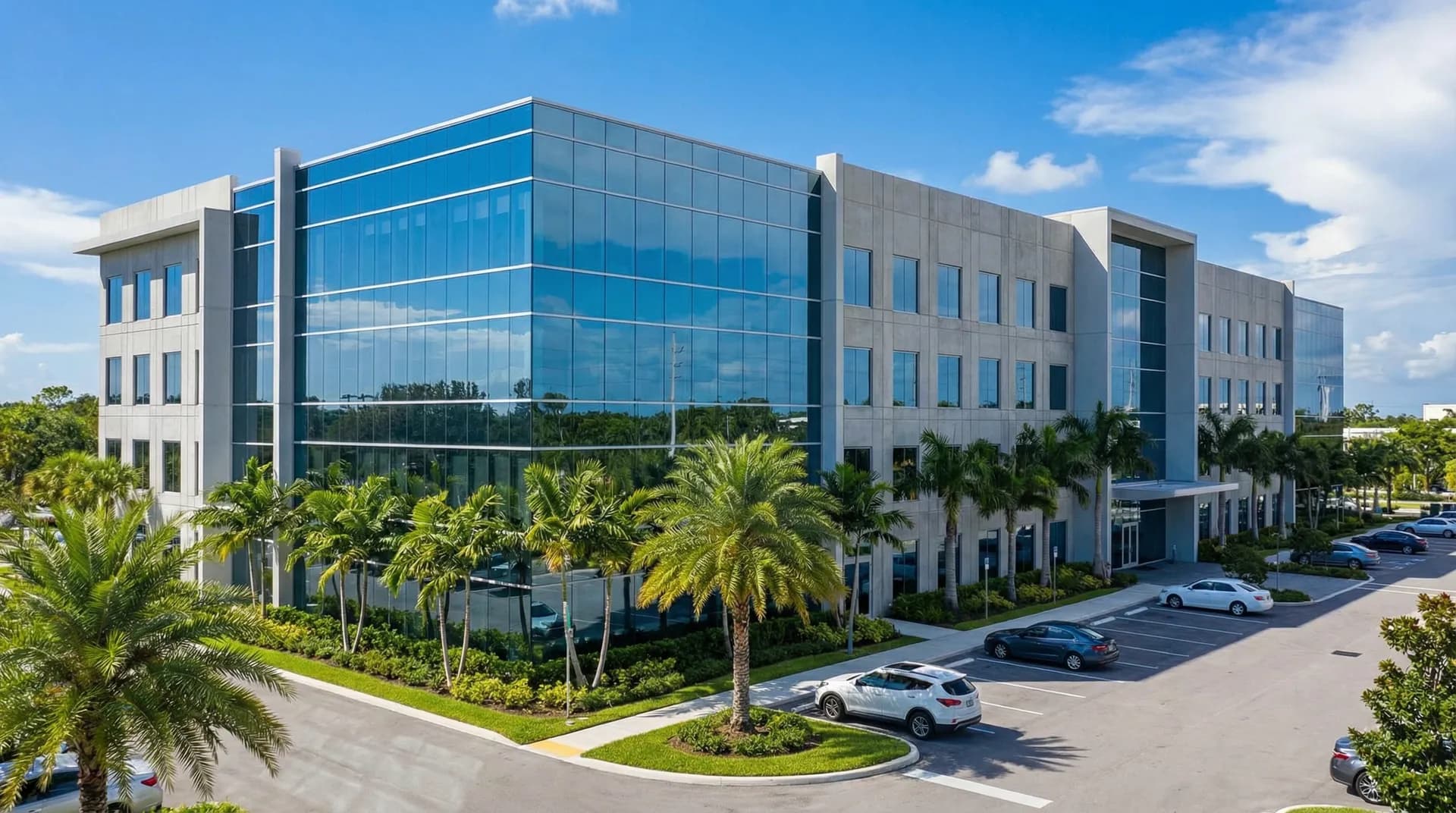
High-Value Commercial Property Insurance in Florida
We shop larger Florida buildings using replacement cost, wind, roofs, flood, deductibles, business income, ordinance or law, and lender requirements.
The right building details help us find insurers that can offer competitive coverage and pricing.
Replacement cost, statement of values, tenant improvements, inflation, and coinsurance wording.
Roof age, construction, coastal exposure, inspections, updates, and named-storm deductibles.
Business income, loss of rents, flood requirements, evidence deadlines, and contract wording.
Give insurers the full picture of the property.
Florida commercial property owners want better answers on older roofs, rising premiums, coastal exposure, and changing markets. We organize those details into a clear comparison of limits, deductibles, terms, and premium.
Share the building value, occupancy, roof, systems, lender requirements, and income exposure so we can compare coverage and prices accurately.
- Roof and wind details
- Statement of values
- Flood/lender requirements
- Loss runs and occupancy
Older roof or unknown roof documentation
Expect more questions around roof age, material, replacement history, inspections, repairs, and photos.
Coastal or wind-exposed location
Named-storm deductibles, wind availability, construction, opening protection, and distance to water can shape the market list.
Large TIV or multiple locations
Higher limits may require carrier layering, location schedules, statement of values cleanup, and better loss-control detail.
Vacancy or changing occupancy
Vacant suites, restaurants, gyms, auto tenants, storage, manufacturing, or heavy foot traffic can change the property and liability options available.
Lender or lease requirements
Mortgagee wording, evidence deadlines, flood requirements, replacement cost wording, and waiver/additional insured language can drive coverage structure.
Recent claims or recommendations
Loss runs, open recommendations, roof claims, water losses, fire-protection issues, and prior non-renewals need to be explained clearly.
What a complex Florida commercial property program should review
The right coverage depends on the building. We compare the details that affect insurer options, lender requirements, claims, and price.
Replacement cost and valuation
Large Florida buildings need a defendable building limit, not a guessed number. We review replacement cost, construction, roof, updates, tenant improvements, inflation, and whether coinsurance or agreed-value wording matters.
Wind, roof, and loss-control review
Roof age, roof type, wind mitigation, updates, inspections, protection class, prior losses, and coastal distance help determine which carrier options and prices are available.
Flood and storm-surge separation
Flood is not the same as wind-driven rain or hurricane wind. Lenders and buyers may need NFIP, private flood, excess flood, elevation details, or clearer mapping before closing or renewal.
Layered or shared property limits
Some larger schedules need one carrier; others need layered property, shared limits, deductibles by location, named-storm terms, or excess capacity built around the risk instead of forced into a small-business form.
Business income and rents
The building limit is only part of the loss. Rental income, tenant downtime, extra expense, restoration period, waiting period, payroll decisions, and civil-authority language can change the financial result.
Ordinance, law, and equipment breakdown
Code upgrades, demolition, undamaged portions, electrical gear, HVAC, elevators, switchgear, chillers, and older building systems deserve a deliberate endorsement review before the loss happens.
Larger buildings need a clear picture of value, construction, protection, occupancy, and income.
Photos, roof information, statements of values, protection details, loss runs, occupancy, flood maps, and lender requirements help us find property markets and request accurate terms.
Help insurers price the property accurately
Keep the statement of values complete and current. Accurate building limits, occupancies, roof information, tenant improvements, and business-income assumptions give insurers a clearer property to price. Use our commercial property statement of values guide when the schedule needs to be separated by location, value type, roof, flood, lender, lease, or income exposure.
What to gather before quoting
Start with the broader commercial property document checklist if you still need to gather roof records, values, flood requirements, or lender wording.
Statement of values by location, including building limit, business personal property, tenant improvements, equipment, signs, glass, outdoor property, business income, and loss of rents
Construction type, year built, square footage, occupancy/tenant mix, protection class, sprinkler/fire alarm details, roof age, roof material, and major updates
Current policy, endorsements, deductibles, lender requirements, leases, certificates, inspection reports, loss-control recommendations, and prior notices
Business income or loss-of-rents worksheet, restoration-period assumptions, payroll decisions, extra expense needs, and tenant downtime concerns
Flood zone review, elevation information if available, prior flood quotes, lender flood requirements, and whether private/excess flood should be considered
Five-year loss runs or claim summaries for wind, roof, water, fire, theft, liability, equipment breakdown, vacancy, and tenant-related incidents
Not sure which property insurance page fits?
If you own, lease, manage, or insure a Florida building, start with the property path that matches the occupancy, tenant setup, building value, and contract requirements — not industry jargon.
Apartment, multifamily, condo, or HOA property
Start with the habitational hub for apartments, multifamily property, condo associations, master policies, wind, flood, and renewal documents.
Open Habitational HubCommercial property owners
Start here for office buildings, medical/dental buildings, professional offices, warehouses, retail centers, and owner-occupied business property.
Start a Building Owner QuoteLandlords and leased buildings
For strip malls, office condos, warehouses, or other buildings leased to tenants where lessors risk and lease requirements matter.
Start a Landlord QuoteApartment and multifamily owners
For apartment buildings, garden-style communities, duplexes, quadplexes, residential rental schedules, loss of rents, wind, flood, and tenant liability exposure.
Start an Apartment QuoteUseful references for complex Florida commercial property
These sources help frame commercial property concepts, flood-zone review, code/roof conversations, and Florida market context. The actual policy form, endorsements, leases, and lender requirements still control the result.
Official consumer guidance covering commercial property concepts such as business income, extra expense, ordinance or law, and rating factors.
FloodSmart flood-zone guidanceOfficial NFIP/FloodSmart guidance for understanding flood zones and flood risk before discussing NFIP, private flood, or lender flood requirements.
Florida Building CodeUseful context for construction, roof, code-upgrade, wind, and ordinance-or-law conversations on Florida commercial buildings.
Florida commercial property statute contextFlorida statutory context defining commercial property insurance for certain regulatory/rate-filing purposes, helpful for high-level market conversations.
High-value commercial property insurance questions Florida owners ask
Trusted Carriers We Represent












Compare High-Value Florida Property Coverage and Pricing
Send the building details, statement of values, current policy, lender requirements, and loss history. We will organize the information and compare insurers, coverage, deductibles, and pricing.