
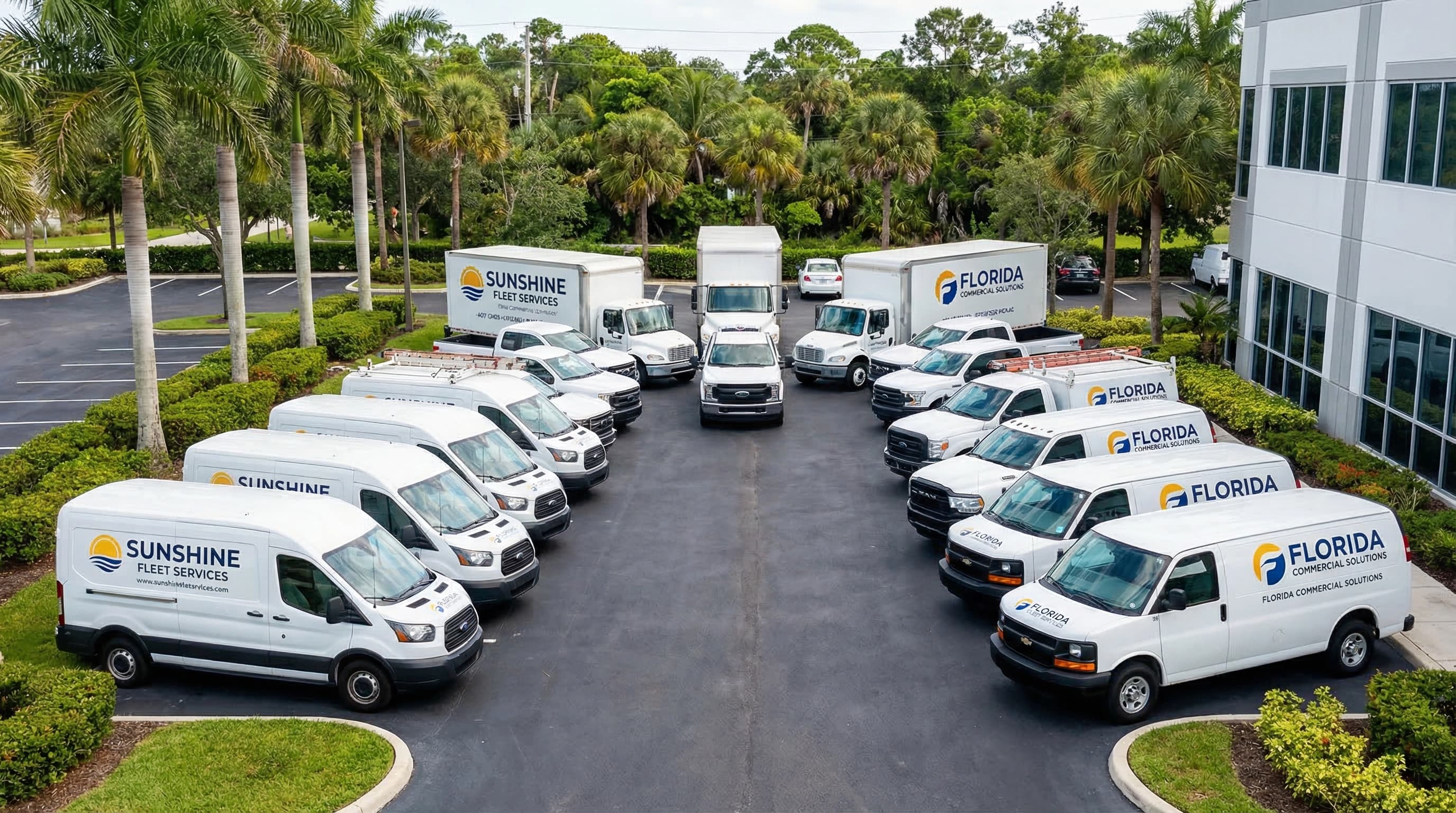
Commercial Auto Insurance Cost in Florida
We compare commercial auto carriers, coverage, and pricing using the vehicle schedule, drivers, MVRs, garaging, radius, claims, limits, contracts, filings, and how each vehicle is used.
4.8 Google ratingSee client reviewsFlorida Commercial Auto Cost at a Glance
- Averages are weak because commercial auto pricing changes by vehicle type, driver history, garaging, radius, use, limits, claims, filings, and contracts.
- Driver MVRs and loss history can affect both price and whether an insurer will offer coverage.
- Hired/non-owned auto, covered auto symbols, cargo, umbrella, physical damage, and contract wording can change the quote beyond basic liability.
- Fleet accounts need the whole vehicle schedule and driver roster reviewed together, especially around 10+ business vehicles.
How Vehicle Type Changes Commercial Auto Pricing
These scenarios are not carrier offers or statewide averages. They show what has to be compared before a Florida business trusts a commercial auto price.
Single business car or sales vehicle
Personal-versus-business use, title, garaging ZIP, driver record, liability limit, and physical damage.
VIN, registration or title details, driver name, current limits, garaging ZIP, and business-use notes.
Confirm the vehicle belongs on commercial auto or identify the personal-auto gap.
Contractor pickup or service van
Trade class, jobsite radius, employees driving, trailers, tools, contract limits, and prior losses.
Vehicle schedule, driver list, current policy, certificate requirements, trailer details, and loss history.
Compare the work truck with the business's other vehicles, trailers, tools, and contract needs.
Pickup plus trailer or jobsite travel
Trailer use, towing frequency, equipment value, jobsite radius, contracts, and umbrella expectations.
Trailer details, tool or equipment schedule, vehicle use, driver list, and any contract wording.
Separate auto, trailer, tools, and contract issues so the quote is not missing exposure.
Cargo van or local delivery vehicle
Delivery class, goods carried, local or regional radius, driver experience, HNOA, and vehicle value.
Route notes, goods carried, delivery contracts, vehicle value, driver list, current policy, and loss runs.
Show whether this is local business delivery, courier work, or a heavier specialty risk.
Box truck or delivery route
GVW, cargo, radius, new venture status, filings, driver history, garaging ZIP, and deductible choices.
VIN, GVW, cargo details, radius, driver list, authority or filing details, current policy, and loss runs.
Use the truck-specific quote so vehicle weight, cargo, radius, filings, and drivers are priced accurately.
Small fleet, 3-9 vehicles
Driver list quality, MVRs, unit mix, garaging, radius, loss runs, HNOA, contracts, and umbrella.
Vehicle schedule, driver roster, current renewal, loss runs, contracts, certificates, and safety notes.
Normalize the schedule before comparing per-vehicle cost.
Larger fleet, 10+ vehicles
Loss trends, driver controls, vehicle mix, radius, deductibles, telematics, contracts, filings, and carriers currently quoting.
Full schedule, driver roster, MVR review, loss runs, current renewal, contracts, filings, and fleet controls.
Present the whole fleet story, not just the headline renewal premium.
Why we ask for the schedule before promising a number
A VIN, vehicle use, garaging ZIP, driver list, MVR history, current limits, physical damage values, contracts, and renewal offer can move the quote. Without those details, a range may describe a different business instead of yours.
The right commercial auto price starts with the schedule, not a generic Florida average.
Fast online quote ranges can be useful as a starting point. They may not reflect a Florida business with real drivers, contract language, garaging, loss runs, and vehicle use.
Our office compares the details insurers use to price coverage: what the vehicles are, who drives them, where they are kept, how far they travel, what they carry, what contracts require, and whether fleet, trucking, or hired/non-owned auto coverage belongs in the quote.
Good pricing starts with the right vehicle and driver details. A driver list, garaging, radius, current limits, loss runs, and contracts help us turn “three trucks” into an accurate coverage-and-price comparison.
What Moves Commercial Auto Premium
Vehicle type and value
A company car, contractor pickup, cargo van, box truck, dump truck, tow truck, trailer, and refrigerated delivery vehicle can all rate differently.
Driver list and MVRs
Accidents, violations, suspended licenses, young drivers, CDL status, excluded-driver questions, and new hires can affect both eligibility and price.
Garaging and operating radius
Where vehicles are kept and how far they travel matters. Local Lake City service routes do not create the same exposure as statewide or interstate routes.
Coverage limits and symbols
Higher limits, physical damage, hired/non-owned auto, covered auto symbols, umbrella, cargo, and certificate language can change the quote.
Claims and loss runs
Frequency, severity, open claims, at-fault patterns, towing losses, physical damage losses, and corrective action all shape the renewal story.
Contracts, filings, and operations
Vendor portals, leases, DOT/MC authority, MCS-90, cargo, passenger exposure, hazmat, and customer contracts can move the account into a different market.
Fleet insurance cost changes as the vehicle count grows
A business with one vehicle and a 20-vehicle fleet should not be quoted from the same checklist. The bigger the schedule, the more driver controls, losses, garaging, contracts, and renewal strategy matter.
Quote focus
Business use, title, garaging, driver record, liability limit, and whether a personal auto policy leaves a gap.
Likely documents
VIN, garaging ZIP, driver details, current limits, business-use notes, and any contract or certificate requirements.
Cost volatility
Can swing when the vehicle is used for delivery, jobsite travel, towing, passenger exposure, or regular employee use.
Quote focus
Schedule accuracy, who drives which units, garaging by unit, radius, HNOA, and physical damage values.
Likely documents
Vehicle schedule, driver list, current policy, renewal offer, contract requirements, and loss history if available.
Cost volatility
Driver changes, added units, wider radius, and missing HNOA can change the comparison quickly.
Quote focus
Driver roster quality, MVRs, loss runs, vehicle mix, radius, garaging, contract wording, and safety controls.
Likely documents
Vehicle schedule, driver roster, MVR concerns, loss runs, renewal, contracts, and certificates.
Cost volatility
Driver history, open claims, or misclassified use can change the whole renewal comparison.
Quote focus
Loss trends, driver hiring controls, garaging spread, radius, unit values, deductibles, contracts, and umbrella needs.
Likely documents
Full schedule, driver roster, loss runs, safety practices, renewal package, certificates, and umbrella requirements.
Cost volatility
Carrier options and loss history matter more because the account is large enough to show a pattern.
Quote focus
Fleet controls, loss development, driver management, territories, deductibles, filings, contracts, and umbrella structure.
Likely documents
Complete quote package with schedules, drivers, losses, safety controls, contracts, filings, and expiring policies.
Cost volatility
Larger fleets and more complex businesses price more accurately with a complete vehicle, driver, loss, and operations schedule.
Have renewal documents?
Send the vehicle schedule, driver list, expiring policy, renewal offer, and loss runs so the account can be reviewed as a fleet.
How to compare commercial auto cost without trusting one generic average
Use the scenario that looks closest to your business, then compare the same details across carriers. The goal is not to force one statewide rate chart. It is to stop bad apples-to-oranges comparisons before they steer the quote.
Single company car or sales vehicle
Is this really business-owned or regularly business-used, and does the personal auto policy leave a gap?
Title, garaging ZIP, driver record, personal use, business use, liability limit, physical damage, and HNOA needs.
Contractor pickups, vans, or trailers
Does the quote reflect job-site travel, tools, trailers, employees, contract limits, and certificate wording?
Vehicle use, radius, trailers, employees driving, tool/equipment exposure, contract requirements, and loss history.
Delivery vans, cargo vans, or box trucks
How do local delivery, route radius, cargo, vehicle weight, and driver controls affect the price?
Radius, cargo or goods carried, GVWR, filings, driver roster, garaging, delivery contracts, and physical damage values.
Fleet account with 10+ business vehicles
Does the renewal explain the whole schedule, not just the newest unit or the headline premium?
Vehicle schedule, driver list, MVRs, loss runs, garaging, safety controls, contracts, cargo, filings, and umbrella limits.
Per-vehicle cost only means something after the schedule is normalized.
Before comparing one carrier's per-vehicle number against another, check whether both quotes use the same drivers, vehicles, limits, physical damage, garaging, radius, HNOA, filings, cargo, and contract wording. Then you can see which option delivers the best value for the same protection.
Commercial auto cost changes by business and vehicle use
“Commercial auto” can mean one company car, five contractor vans, a box-truck delivery route, or a larger fleet. The pricing comparison should match the vehicles and how the business uses them.
One or two business vehicles
Usually driven by vehicle type, title, use, garaging, driver history, limits, and whether employees use personal vehicles.
Commercial Auto BasicsContractor or service trucks
Work trucks, vans, trailers, tools, job-site travel, employee driving, and contract certificate requirements all belong in the quote details.
Contractor Auto GuideDelivery vans or box trucks
Radius, cargo, vehicle weight, driver controls, delivery contracts, filings, and whether the vehicle is local or for-hire can change which insurers offer coverage and how they price it.
Box Truck Guide10+ business vehicles
Fleet pricing usually depends on the whole schedule: drivers, MVRs, loss runs, garaging, safety controls, contracts, cargo, filings, and umbrella.
Fleet InsuranceGive us the details carriers need to compare pricing.
Vehicle schedules, driver lists, loss runs, limits, contracts, and filings help us compare coverage terms and price accurately.
If the current renewal jumped, we want the expiring policy, renewal offer, vehicle schedule, driver list, loss runs, and any contract changes. Then we can compare coverage terms and price across available carriers.
What to Send for a Better Commercial Auto Cost Review
Vehicle schedule with VINs, year/make/model, garaging ZIPs, use by unit, radius, values, lienholders, trailers, and special equipment
Driver list with names, dates of birth, license states, CDL status when relevant, job duties, MVR concerns, and excluded-driver questions
Current policy declarations, renewal offer, covered auto symbols, limits, deductibles, endorsements, and certificate requirements
Loss runs or claim summaries for the last three to five years, including auto liability, physical damage, towing, cargo, and umbrella losses if available
Contracts, leases, vendor portals, additional insured wording, waiver requests, primary/noncontributory wording, HNOA requirements, and umbrella limits
How vehicles are used: service calls, job sites, delivery, sales, errands, take-home use, towing, hauling, passengers, cargo, or crossing state lines
Requirements can affect cost, but they are not the same for every Florida business vehicle
A pricing conversation can touch state registration rules, commercial motor vehicle liability, contracts, and federal filings. The operation has to be reviewed before assuming which rules apply.
FLHSMV insurance requirements
Florida baseline auto insurance and financial-responsibility information for registered vehicles.
Florida Statute § 627.733
Florida required-security statute for motor vehicles, including important carveouts and vehicle-class context.
FLHSMV business customers
Florida business-customer insurance verification, cancellation, registration hold, and proof-of-coverage context.
Florida Statute § 627.7415
Florida statute addressing additional liability requirements for certain commercial motor vehicles.
Florida Statute § 324.032
Florida financial-responsibility statute for certain for-hire passenger transportation vehicles.
FMCSA insurance filing requirements
Federal filing guidance for entities applying for or holding motor-carrier operating authority.
Florida commercial auto insurance cost FAQs
Commercial Auto and Fleet Resources
Commercial Auto Insurance
Coverage hub for company cars, contractor trucks, vans, trailers, HNOA, contracts, symbols, and certificates.
Commercial Auto for Contractor Fleets
Work trucks, service vans, trailers, driver lists, HNOA, tools, jobsite routes, and GC certificate requirements.
Review a Renewal Increase
Use this when a renewal jumped and the business needs the expiring policy, renewal offer, vehicle schedule, driver list, MVRs, claims, contracts, filings, and changes reviewed.
Commercial Auto Contract Requirements
COIs, additional insured, waiver, symbols, HNOA, umbrella, filings, vendor portals, and contract auto wording before a certificate is issued.
Box Truck and Delivery Van Insurance
Insurance for Florida box trucks, cargo vans, couriers, delivery drivers, cargo, GVWR, HNOA, filings, and complete vehicle schedules.
Fleet Insurance in Florida
Fleet review for 10+ business vehicles, larger driver rosters, MVRs, garaging, contracts, cargo, HNOA, umbrella, and filings.
Trucking Insurance
Owner-operators and motor carriers with DOT/MC details, cargo, filings, broker packets, authority status, and trucking-specific quote factors.
Commercial Auto Requirements
Florida business vehicle requirements, PIP/PDL baseline, commercial motor vehicle liability, federal rules, contracts, and filings.
Hired and Non-Owned Auto
Employee personal cars, rentals, borrowed vehicles, reimbursed mileage, symbols 8/9, and contract HNOA wording.
Commercial Auto Symbols
Covered auto symbols 1-9 and 19 explained for liability, physical damage, HNOA, schedules, and certificates.
Send the schedule and let us compare commercial auto options.
Send vehicle schedules, driver lists, current policy pages, loss runs, contracts, filings, and renewal documents. We will compare available commercial auto carriers, coverage, and pricing for your business.