Florida Fleet Insurance for 10+ Business Vehicles
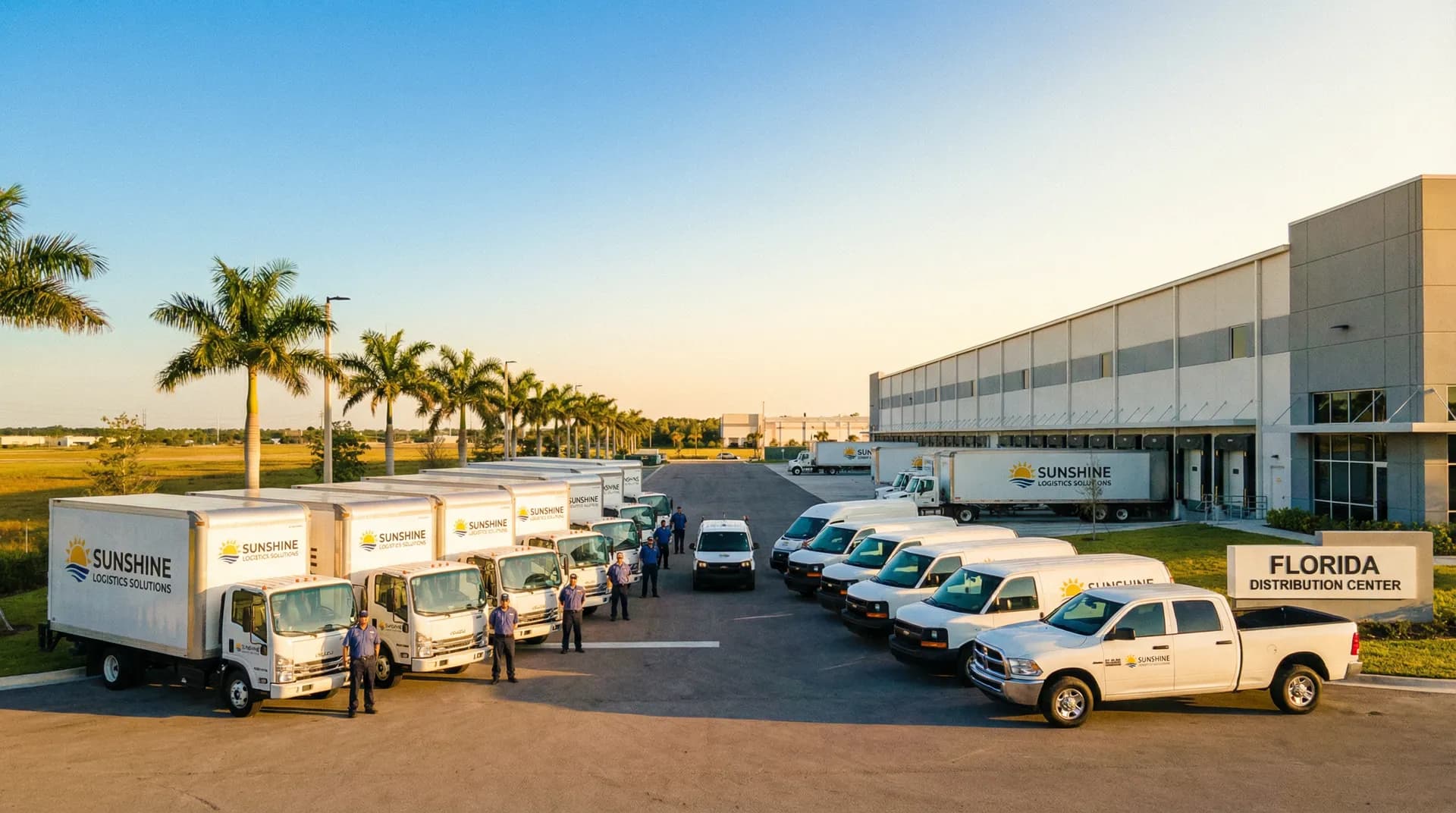
Fleet insurance in Florida is a deeper commercial auto review for larger vehicle schedules. For service fleets, delivery fleets, contractors, distributors, and mixed-use business vehicles, we review drivers, contracts, cargo, filings, HNOA, loss runs, and umbrella needs, then compare available coverage and pricing.
The best fleet quote reflects the full operation, not only the vehicle count.
MVRs, hiring controls, excluded drivers, take-home use, training, and loss history.
VINs, garaging, radius, values, trailers, physical damage, lienholders, and use by unit.
Certificates, additional insured requests, cargo, filings, HNOA, umbrella, and customer requirements.
Fleet insurance needs a different review once vehicles, drivers, contracts, and filings multiply.
The recurring pain in fleet and commercial auto discussions is not just price. Owners also want help with first-year costs, driver and MVR questions, contract certificates, loss runs, cargo, and renewal increases.
This page is for businesses with larger vehicle schedules and transportation-heavy operations. If you need basic commercial auto coverage for one or two vehicles, start with the commercial auto page instead.
- Service, contractor, delivery, distributor, and mixed-use schedules with 10+ business vehicles
- Box trucks, vans, pickups, trailers, and route vehicles where driver and garaging details shape which insurers will quote
- Renewals where the premium jumped, loss runs need explanation, or the driver list needs cleanup
- Contracts asking for higher limits, specific certificate wording, cargo, filings, HNOA, or umbrella review
The 10th Vehicle Is a Smart Fleet-Review Point
At 10 or more business vehicles, driver lists, routes, vehicle values, contracts, and take-home use deserve a full fleet comparison.
Compare the reasons behind a renewal increase
Vehicle values, repairs, garaging, radius, losses, driver MVRs, and contract limits can each affect a fleet premium. We separate those factors to make the renewal comparison clear.
Driver lists and MVRs affect fleet pricing
Commercial auto pricing questions usually come back to driver age, violations, claims, new hires, excluded drivers, and whether the business actually knows who is driving each unit.
Contracts can ask for more than the auto policy includes
Job contracts, delivery agreements, leases, certificates, and vendor portals may ask for higher limits, additional insured wording, waiver language, cargo coverage, or umbrella limits the current policy does not carry.
For-hire trucking is not the same as a local service fleet
A plumbing fleet, HVAC fleet, box-truck delivery company, courier operation, tow company, and freight carrier can all need commercial auto, but the filings, cargo, radius, drivers, and policy options are not identical.
Current fleet details make renewals easier
Insurers may ask for VINs, garaging, driver rosters, MVR notes, loss runs, filings, cargo details, and contract wording. Keeping those details current makes the renewal comparison easier.
Garaging and radius affect insurer options
Where vehicles are kept, how far they travel, whether they cross state lines, and whether they enter ports, job sites, residential neighborhoods, or high-traffic corridors can change coverage and pricing.
Fleet answers need separate routes for documents, requirements, filings, and market context
A 10+ vehicle fleet can bring several questions into one renewal. These support pages separate documents, filings, requirements, and coverage so each answer stays useful.
Box truck and delivery van insurance
A focused path for box trucks, cargo vans, Sprinter/Transit vans, local delivery, courier routes, own-goods delivery, cargo, HNOA, and complete schedules.
Contractor fleet insurance
A trade-contractor route for pickups, service vans, trailers, tools, employee drivers, jobsite radius, HNOA, and GC certificate requirements.
Fleet quote checklist and schedule toolkit
Use the toolkit to organize vehicle schedule templates, the driver roster, MVR notes, garaging, contracts, filings, loss runs, and safety controls in one place.
Commercial auto cost guide
Use this for fleet pricing questions: average cost, renewal changes, driver lists, MVRs, garaging, radius, HNOA, contracts, filings, and the details insurers need to compare options.
Fleet renewal documents
A practical route for vehicle schedules, driver lists, MVRs, garaging, loss runs, contracts, filings, cargo, HNOA, umbrella, and safety controls.
Driver list and MVR review
Focused quote-prep help for driver rosters, MVR notes, excluded-driver questions, CDL status, and permission-aware driver record handling.
Commercial auto requirements
Florida PIP/PDL baseline, commercial motor vehicle liability, federal rules, contracts, leases, and the reasons no single minimum fits every business vehicle.
Commercial auto filings
DOT/MC authority, FMCSA filings, BMC forms, MCS-90, IRP/HVUT, cargo, passenger, hazmat, broker, and freight-forwarder questions.
Commercial auto & fleet outlook
The source-backed 2026 report for Florida fleet trends, renewals, driver quality, filings, contracts, and quote documents.
What a Florida fleet insurance review should include
Fleet insurance is not just vehicle count. It is a combined review of the units, drivers, routes, contracts, cargo, regulatory exposure, and loss history.
Commercial auto liability
Bodily injury and property damage liability for scheduled vehicles, garaging locations, drivers, radius, vehicle use, limits, deductibles, and contract requirements.
Physical damage and vehicle schedules
Comprehensive and collision review for trucks, vans, trailers, box trucks, service vehicles, stated values, deductibles, loan/lienholder wording, and replacement-cost pressure.
Hired and non-owned auto
Protection for rented vehicles, borrowed vehicles, employee-owned vehicles used for business, subcontracted drivers, errands, deliveries, and contract language that reaches beyond owned units.
Filings, contracts, and certificates
Some transportation accounts need filings, certificates, additional insured wording, waiver requests, primary/noncontributory wording, MCS-90 review, or contract-specific limits.
Cargo, tools, and equipment
Cargo, contractors equipment, tools, installation floater, inland marine, towing, trailer interchange, and load-value questions should be matched to what the vehicles actually carry.
Umbrella, workers comp, and driver controls
Larger fleets often need umbrella/excess review, workers comp coordination, driver qualification files, MVR standards, telematics, training, and loss-run cleanup before renewal.
A complete fleet packet makes quotes easier to compare.
A complete packet explains who drives, where vehicles go, what they carry, what contracts require, and what changed since last year.
Those details help us compare pricing, covered-auto symbols, exclusions, and certificate requirements across insurers.
Keep the schedule current
Update the vehicle schedule, driver list, MVR notes, and contract requirements whenever the business changes.
What to Gather Before Quoting Florida Fleet Insurance
Current auto policy, vehicle schedule, garaging addresses, VINs, stated values, lienholders, trailers, and vehicle use by unit
Driver list with dates of birth, license states, CDL status when applicable, hire dates, job duties, MVR concerns, and excluded-driver questions
Five-year loss runs or claim summaries for auto liability, physical damage, cargo, towing, workers comp, and umbrella/excess if applicable
Operating radius, states traveled, take-home vehicle rules, personal-use rules, GPS/telematics, driver handbook, safety meetings, and accident procedures
Contracts, certificate requirements, additional insured requests, waiver language, delivery agreements, customer/vendor portals, and lender requests
Cargo or equipment details: typical loads, max load value, tools, customer property, installation materials, refrigerated goods, tow exposure, or trailer interchange
Any filings or regulatory needs, including DOT/MC details, MCS-90 questions, overweight/oversize permits, hazmat, passenger exposure, or port/terminal access
Upcoming changes: new vehicles, new drivers, new contracts, expanded radius, acquisitions, different vehicle classes, or crossing the 10+ business-vehicle mark
Useful references for transportation and fleet insurance reviews
These sources help frame financial-responsibility, driver qualification, hours-of-service, and Florida enforcement conversations. The actual operation, contracts, filings, and policy forms still control the result.
FLHSMV — business customers
Florida business-customer insurance verification information for canceled coverage, registration holds, tag surrender, and proof issues.
FLHSMV — IRP renewal instructions
Florida IRP renewal guidance for accounts where apportioned registration, mileage, insurance proof, HVUT, ownership, liens, or lease documents apply.
49 CFR Part 387 — financial responsibility
Readable Legal Information Institute reference for federal financial-responsibility rules affecting certain motor carriers, brokers, and freight forwarders.
FMCSA — insurance filing requirements
Federal filing guidance for entities applying for or holding operating authority, including operation-specific financial-responsibility requirements.
FMCSA — MCS-90 endorsement
FMCSA guidance explaining MCS-90 as an endorsement for qualifying motor-carrier public-liability policies, not a per-vehicle insurance card.
49 CFR Part 391 — driver qualifications
Readable Legal Information Institute reference for driver-qualification rules that help frame driver files, MVRs, medical cards, and qualification controls.
49 CFR Part 395 — hours of service
Readable Legal Information Institute reference for hours-of-service rules affecting certain commercial motor vehicle operations.
Florida Highway Patrol commercial vehicle enforcement
Florida commercial vehicle enforcement information for carriers operating on Florida roads and highways.
Florida fleet insurance questions business owners ask
Want the 10+ Vehicle Breakdown?
We also built a plain-English guide for Florida businesses approaching the 10th vehicle mark, including drivers, MVRs, garaging, contracts, HNOA, and renewal timing.
Related Coverage
Compare your growing fleet's coverage and pricing.
Send us the vehicle schedule, driver list, contracts, loss runs, and what is changing next. We will compare the insurers, limits, endorsements, and pricing available for the operation.
Trusted Carriers We Represent