
Vehicle changes
New units, higher stated values, heavier trucks, box trucks, trailers, leased vehicles, different garaging, wider routes, or more delivery use can change the renewal.
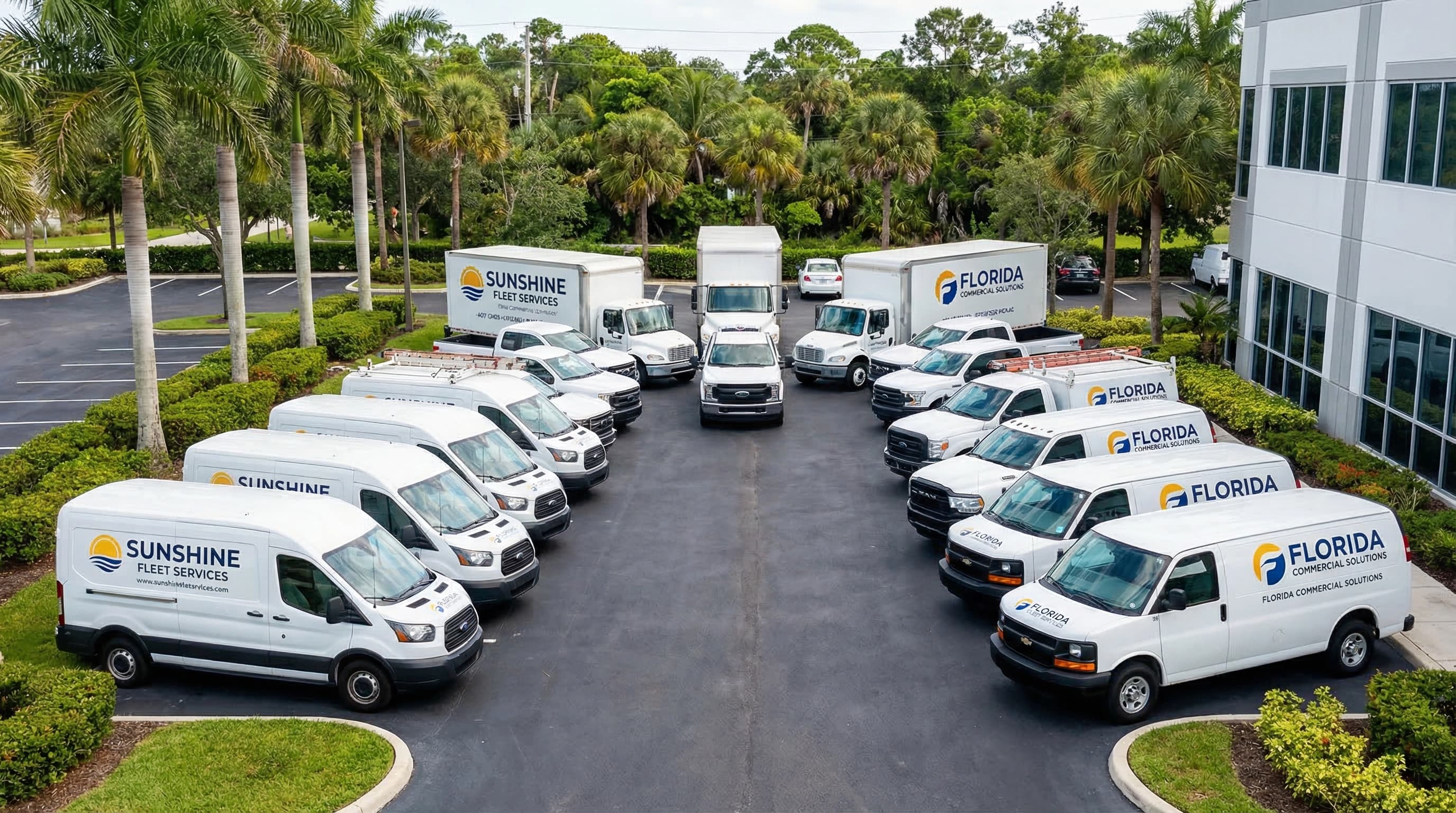
When a commercial auto renewal jumps, we compare the price alongside the vehicles, drivers, MVRs, claims, garaging, radius, contracts, filings, limits, and deductibles to find the right coverage at the right price.
Use the commercial auto upload path for renewal offers, vehicle schedules, driver rosters, loss runs, contracts, filings, and deadline notes. Complete details help us make an accurate side-by-side comparison.
Quick answer
Common renewal-increase drivers include new vehicles, higher vehicle values, added or riskier drivers, MVR activity, claims, wider radius, take-home use, delivery or hauling changes, garaging corrections, contract limits, filings, cargo questions, deductible changes, and insurer availability. We compare the expiring policy with the renewal offer, then shop the updated vehicle and driver details with insurers that fit the business.
Commercial auto coverage and pricing
New units, higher stated values, heavier trucks, box trucks, trailers, leased vehicles, different garaging, wider routes, or more delivery use can change the renewal.
Violations, accidents, suspended licenses, young drivers, new hires, CDL changes, and take-home rules can affect both price and the insurers available.
Frequency, severity, open claims, physical damage losses, towing, cargo issues, and the steps taken afterward can all affect the renewal.
Higher limits, additional insured wording, covered auto symbols, HNOA, cargo, DOT/MC questions, MCS-90, IRP, or customer contract requirements can change the coverage options available.
Compare your options
Upload the renewal offer, expiring policy, vehicle schedule, driver list, loss runs, contracts, and what changed. We will compare the coverage and pricing available for your business.
Document checklist
Use this checklist to give each insurer the same current information and make the coverage and price comparison easier.
Use the same current driver list, vehicle schedule, loss runs, garaging, contracts, and filings for each quote. That makes the price comparison much more useful.
Send the renewal offer, expiring policy, vehicle schedule, driver list, loss runs, contracts, filings, and deadline notes so we can compare coverage and pricing from available insurers.
Upload Renewal DocumentsIndustry and public references
These sources support the market and requirement context. The actual renewal answer still depends on the policy, drivers, vehicles, contracts, filings, and operation.
NAIC industry analysis citing continued commercial auto rate pressure, higher earned premium, loss-cost action, and multi-year underwriting losses.
Florida business-customer insurance verification, cancellation, proof-of-coverage, and registration-hold context for business vehicles.
Florida statute addressing additional liability requirements for certain commercial motor vehicles where the vehicle and operation qualify.
Official Government Publishing Office record for federal motor-carrier financial-responsibility rules where the operation requires them.
Common questions
Use the commercial auto upload path for renewal offers, vehicle schedules, driver rosters, loss runs, contracts, filings, and deadline notes. Complete details help us make an accurate side-by-side comparison.
PDF and CSV templates for vehicle schedules, driver rosters, MVR notes, garaging, filings, contracts, loss runs, and organized quote details.
Document checklist for Florida fleet renewals: vehicles, drivers, MVRs, loss runs, contracts, filings, cargo, HNOA, and safety controls.
Cost factors for vehicles, drivers, garaging, radius, HNOA, filings, contracts, claims, and quote prep.
Privacy-aware driver roster and MVR quote-prep guide for excluded drivers, CDL status, driver changes, and accurate pricing.
DOT/MC authority, BMC filings, MCS-90, IRP, and when filings may or may not apply.
Source-backed outlook for Florida fleet renewals, driver quality, filings, contracts, loss runs, and market pressure.
Use the commercial auto upload path for renewal offers, vehicle schedules, driver rosters, loss runs, contracts, filings, and deadline notes. Complete details help us make an accurate side-by-side comparison.