
1-800-252-6885
Greene & Associates Insurance
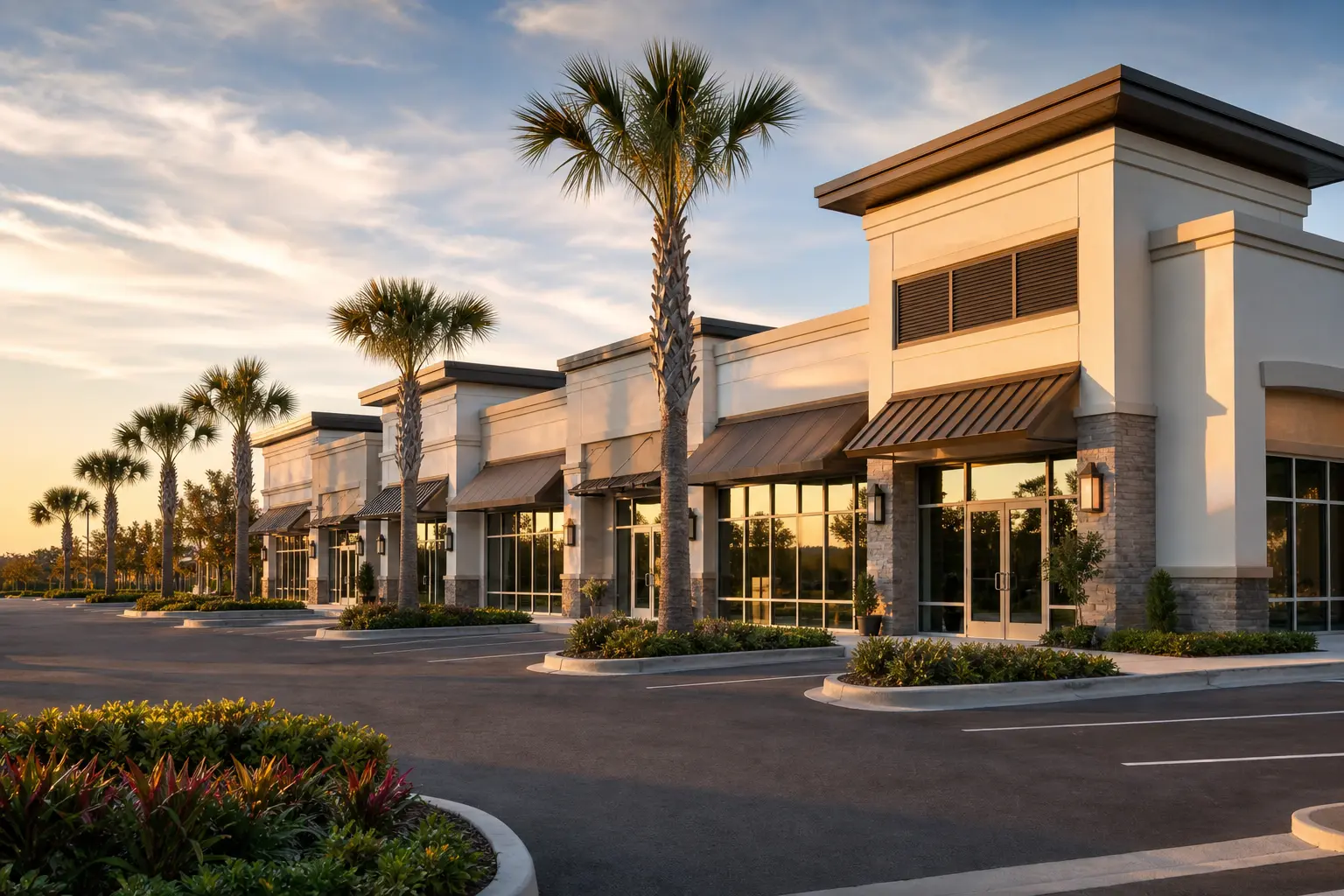
Florida shopping center and strip mall retail plaza for commercial property insurance review
Florida strip malls, shopping centers, retail centers, and retail plazas

Shopping Center Insurance in Florida for Strip Mall and Retail Plaza Owners

Multi-tenant retail buildings need more than a building limit. We help Florida owners review property coverage, liability, tenant mix, leases, certificates, loss of rents, wind, flood, and lender requirements before renewal pressure hits.

Quick answer

A shopping center policy should match the building, the tenants, and the lease structure.

Property

Building value, roof, wind, glass, signs, equipment, and loss of rents.

Liability

Parking lots, sidewalks, common areas, lighting, maintenance, and landlord-controlled spaces.

Tenant controls

Rent roll, tenant certificates, additional insureds, lease requirements, and vacant bays.

Best fit

Retail plazas, strip malls, small shopping centers, mixed storefronts, and leased commercial retail buildings.

Main risk

Florida wind, roof age, flood, tenant mix, vacancy, common-area liability, and lease insurance controls.

Quote driver

Retail center insurance cost often turns on the tenant schedule, rent roll, roof, wind, flood, and loss history.

Start early

Begin renewal review 60–90 days ahead when roof, tenant, lender, or flood questions are likely.

Coverage components

What Shopping Center Insurance Covers for Florida Retail Property Owners

A retail plaza owner usually needs a coordinated commercial property and liability program, not one isolated policy label. The building, lease structure, tenant operations, common areas, and lender requirements all affect the answer.

Commercial Property Insurance for the Building, Roof, Signs, Glass, and HVAC

The commercial property policy should be built around replacement cost, construction type, roof age, roof material, exterior glass, permanent signs, HVAC units, landlord-owned improvements, and any lender wording. A tax value or purchase price is not a safe substitute for a current building limit.

General Liability for Parking Lots, Walkways, Common Areas, and Landlord-Controlled Spaces

Tenant policies do not remove the owner’s premises exposure. A retail plaza owner still needs liability review for parking lots, sidewalks, exterior lighting, signs, landscaping, drainage, security decisions, maintenance, and other landlord-controlled spaces.

Loss of Rents Coverage When Tenant Bays Cannot Be Used After a Covered Loss

If a covered fire, wind, or property loss closes tenant bays, the building damage is only part of the financial problem. Loss-of-rents coverage can help replace rental income while repairs, permitting, inspections, and tenant build-outs are completed.

Florida property pressure

Why Florida Strip Mall Insurance Is Different From Basic Landlord Insurance

A Florida strip mall is not just a leased building. It is a wind-exposed commercial property with multiple tenant operations, common-area liability, possible flood exposure, roof scrutiny, loss-of-rents exposure, and lease/certificate controls.

That is why a generic landlord policy review can miss the practical questions that matter to a retail plaza owner before renewal.

Wind, Hurricane Deductibles, Roof Age, and Replacement Cost

Florida shopping center renewals often turn on roof age, roof documentation, wind eligibility, named-storm deductibles, construction type, and replacement-cost support. A percentage deductible should be reviewed against the building limit so the owner understands the real out-of-pocket exposure.

Flood, Drainage, and Water Damage Gaps for Retail Plazas

Flood is separate from standard commercial property coverage. Retail plazas should review FEMA flood maps, nearby water, parking-lot drainage, low tenant bays, storm surge, NFIP, private flood, and any lender flood determination before assuming the property policy is complete.

Ordinance or Law Coverage for Older Florida Shopping Centers

Older retail centers may face code-upgrade questions after a covered loss. Ordinance or law coverage should be reviewed with replacement cost, roof, electrical, accessibility, demolition, debris removal, and permitting exposure instead of treated as a small optional detail.

Tenant mix and underwriting

How Tenant Mix Affects Shopping Center Insurance in Florida

The carrier is not only underwriting the walls. It is also asking what businesses operate there, how many bays are vacant, who controls common areas, and whether the lease requirements are being followed.

Restaurants, Salons, Gyms, Smoke Shops, and Higher-Scrutiny Tenants

Restaurants can add grease, hood systems, fire protection, deliveries, and late hours. Salons may add chemical and water concerns. Gyms increase activity and injury allegations. Smoke shops, vape shops, tattoo studios, bars, and some auto-related tenants can change carrier appetite.

Vacant Bays, Late-Night Foot Traffic, and Security Concerns

Vacant bays can create vandalism, water, security, maintenance, and loss-of-rents questions. Late-night tenants or heavier customer traffic can add lighting, parking, security, and liability questions that a quiet professional-office plaza may not raise.

Why Underwriters Ask for a Current Rent Roll

A rent roll shows who occupies each bay, how much square footage is vacant, which tenants drive the exposure, and how rental income should be reviewed. It is not just a leasing document. For insurance, it is an underwriting document.

Lease and certificate controls

Tenant Insurance, COIs, and Lease Rules for Shopping Centers

Tenant certificates matter, but they are not magic paper shields. The lease, endorsements, policy dates, coverage limits, and tenant operations all need to line up with the landlord’s risk.

What Tenant Certificates Should Show

Tenant certificates should show current policy dates, liability limits, carrier names, the tenant entity, covered location, required coverages, and any special coverage the lease calls for, such as liquor liability, workers comp, or commercial auto when relevant.

Additional Insured and Waiver of Subrogation Requests

If the lease requires additional insured status or waiver wording, the certificate should not be the only checkpoint. The endorsement wording should match the lease requirement, and the landlord should know whether the tenant’s policy actually supports the request.

Why Tenant Insurance Does Not Replace the Landlord’s Policy

Tenant insurance may protect the tenant’s operations, property, and liability. The owner still needs coverage for the building, common areas, loss of rents, lender requirements, landlord negligence allegations, and claims that name the property owner.

Advisory path

Ask us to review the policy and lease requirements when the account is complex

Straightforward retail plaza quote? Use the commercial property quote path. If the renewal has lender conditions, restaurant tenants, vacant bays, COI problems, or unusual lease language, a policy and lease-requirement review may be the better first step.

Quote and renewal packet

Documents to Gather Before a Shopping Center Insurance Quote

A complete submission helps markets understand the building and tenant exposure quickly. It also gives the owner room to compare limits, deductibles, exclusions, and lender requirements before renewal week.

Building, Roof, COPE, and Property Details

Property address, year built, square footage, construction type, number of buildings, and protection class

Roof age, roof material, roof updates, photos, inspections, repairs, and any wind-mitigation or loss-control notes

Building limit, glass, signs, HVAC, equipment breakdown, ordinance or law, and replacement-cost support

Rent Roll, Tenant List, Lease Requirements, and Loss Runs

Current rent roll, tenant schedule by unit, occupied square footage, vacant bays, lease dates, and tenant operations

Lease insurance clauses, tenant certificates, additional insured wording, waivers, and landlord/tenant maintenance duties

Loss runs or claim details for roof, wind, water, fire, theft, liability, parking lot incidents, vacancy, or tenant-related losses

Lender Requirements, Flood Information, and Current Policy Pages

Current declarations page, endorsements, named-storm deductible, mortgagee clause, lender instructions, and evidence deadline

FEMA flood-zone information, lender flood determination, prior flood quote, private flood review, and drainage concerns

Any carrier inspection, recommendation, non-renewal notice, premium increase explanation, or required improvement list

How Greene Helps Florida Shopping Center Owners Compare Coverage

Our office helps retail plaza owners compare the building limit, deductible structure, roof story, tenant mix, liability limits, loss-of-rents wording, lease/COI controls, flood options, and lender requirements before the renewal deadline gets tight.

Reviewed by Joe Greene, Commercial Lines Manager and Florida 2-20 General Lines Agent.

Joe helps Florida business owners review commercial property, landlord, and liability accounts where tenant mix, roof condition, wind, flood, and lender requirements all have to line up.

Florida Shopping Center Insurance FAQs

Practical answers for Florida strip mall and retail plaza owners

A Florida shopping center owner usually needs commercial property insurance for the building, general liability for landlord-controlled areas, loss of rents or business income, equipment breakdown, ordinance or law review, commercial umbrella when limits need to stack, and separate flood insurance when the location or lender requires it. The right program depends on building value, roof age, tenant mix, leases, lender requirements, and prior losses.
They overlap, but they are not always identical. Lessors risk is the landlord-focused coverage structure for leased commercial property. A shopping center or strip mall account may also need deeper commercial property review for wind, roof, glass, signs, flood, loss of rents, tenant mix, lease controls, and lender requirements.
It may cover claims against the landlord tied to landlord-controlled areas such as parking lots, sidewalks, lighting, exterior maintenance, or common areas. It does not replace the tenant’s own liability policy for the tenant’s operations. The lease should require tenant insurance, certificates, and additional insured wording where appropriate.
Usually no. Flood, storm surge, rising water, and drainage overflow are generally separate from standard commercial property coverage. Shopping center owners should review FEMA flood maps, practical site drainage, lender requirements, NFIP, private flood, and excess flood options before renewal.
Renewal pressure can come from wind exposure, roof age, higher replacement cost, named-storm deductibles, tenant mix, restaurants, vacant bays, prior claims, flood exposure, lender requirements, and carrier appetite changes. A cleaner renewal packet gives markets a better reason to compete.
Cost depends on replacement cost, construction type, roof age, wind eligibility, flood exposure, tenant mix, vacant bays, restaurant or higher-scrutiny tenants, prior claims, loss-of-rents limits, deductible structure, lender requirements, and whether umbrella or excess liability limits are needed. A retail center insurance quote should be based on the exact building and tenant schedule, not a generic average.
Carriers often ask for a rent roll, tenant list, business type by bay, square footage, vacancy, lease dates, restaurant or cooking details, late-night operations, tenant certificates, additional insured requirements, and whether any tenants create higher scrutiny such as gyms, smoke or vape shops, tattoo studios, bars, auto-related operations, or heavy customer traffic.
Start 60 to 90 days before expiration when possible, especially if the property has an older roof, vacant bays, restaurant tenants, lender requirements, flood questions, prior losses, or a large premium increase. Waiting until renewal week usually leaves fewer markets and less time to fix underwriting questions.

Need a renewal review for a Florida shopping center or strip mall?

Send the current policy, rent roll, tenant list, roof details, lender requirements, and loss history. We will help sort which markets and coverage questions deserve attention before renewal.