

1-800-252-6885
Greene & Associates Insurance
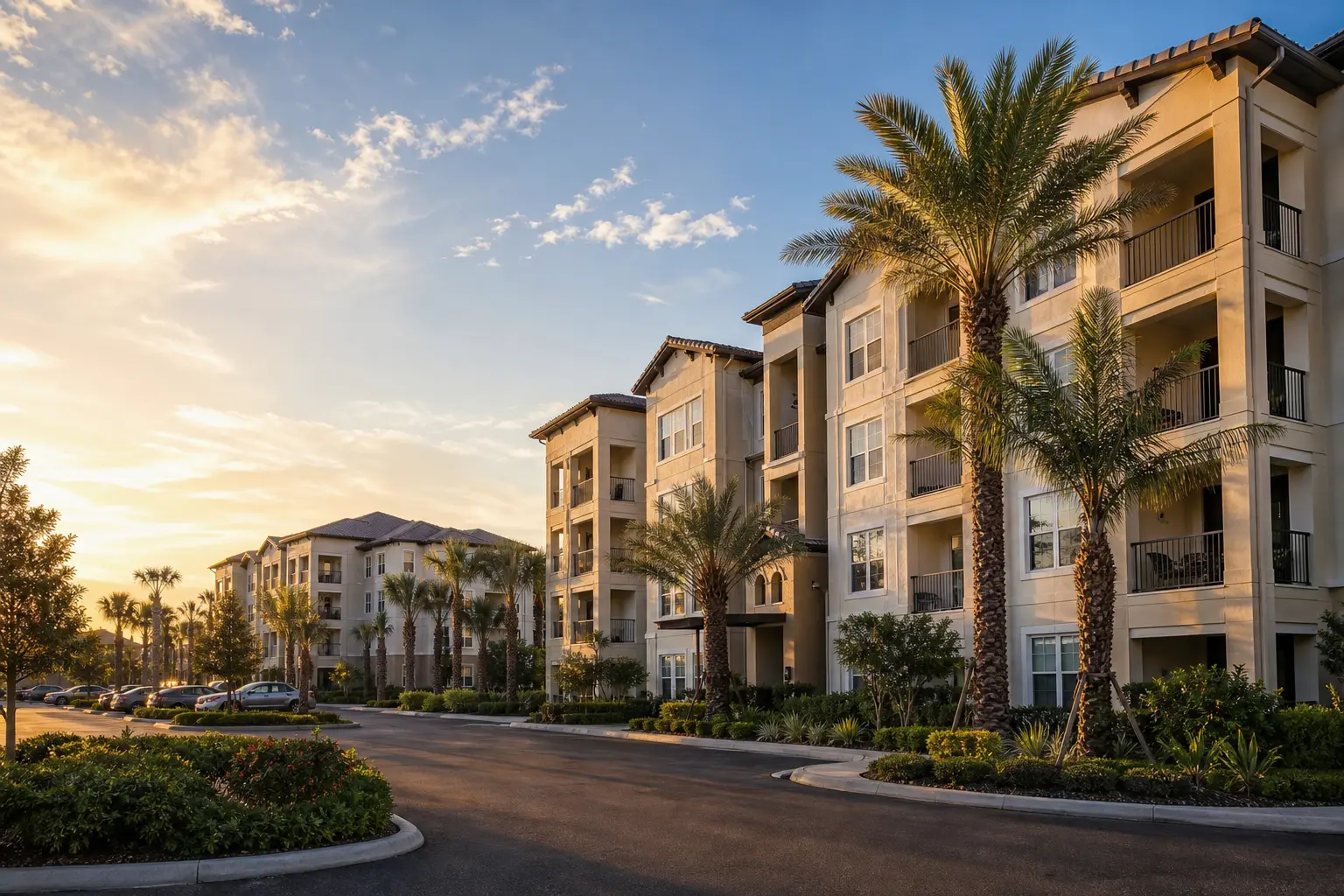
Well-maintained Florida apartment community with landscaped multifamily buildings and palm trees at golden hour.
Florida apartment renewal resource

Florida Apartment Building Insurance Renewal Checklist

Published July 2026Updated July 2026Sources reviewed July 25, 2026

Organize a Florida apartment renewal comparison with current policies, a statement of values, rent roll, loss runs, roof and inspection records, wind and flood details, lender requirements, and consistent quote notes.

Quick summary

  • A Florida apartment renewal comparison starts with the current policy and renewal offer, a current statement of values or building schedule, rent roll, loss runs, roof and system updates, inspections, photos, flood information, lender requirements, and a clear deadline.
  • Use the same buildings, values, policies, and deductible assumptions when comparing proposals, and note any documents that still need to be collected.

Reviewed by

Joe Greene, Florida 2-20 General Lines insurance agent

Joe GreeneCommercial Lines ManagerFL 2-20 license #P005559

Apartment Renewal Checklist: the short version

  • Start with the current policy and renewal offer, then build one working document list around the actual expiration, lender, or refinance deadline.
  • Keep property facts and income facts separate: SOV or building schedule, rent roll, loss-of-rents worksheet, roof and system records, inspections, photos, and losses.
  • Compare proposals only when the buildings, values, policies, deductibles, flood terms, and lender requirements line up.

Who should use this

Built for Florida apartment owners and managers comparing renewal coverage and pricing.

Florida apartment and multifamily property ownersOrganize the current policy, SOV, rent roll, losses, roofs, flood records, lender terms, and quote notes for one building or a larger schedule.
Property managers assembling renewal documentsUse one working list for ownership records, property details, inspections, vendors, claims, deadlines, and any details still needed.
Asset managers and real estate investors comparing proposalsCompare proposals on the same buildings, values, deductibles, coverage package, and loss-of-rents assumptions instead of comparing premium alone.
Owners refinancing, changing lenders, or responding to a nonrenewalOrganize the renewal documents around the actual loan deadline, mortgagee wording, deductible limits, flood evidence, and any notice or subjectivity.

Checklist

Florida Apartment Building Insurance Renewal Checklist: documents and questions to organize

These practical items help our team compare insurance options. If a legal, engineering, or claim question comes up, we will point you to the right professional.

Renewal dates, current policies, and ownership records to collect first

Start with the documents that establish who owns the property, what is expiring, which policies are being compared, and when the owner or lender needs evidence.

Current policy and full renewal offer

Save declarations, forms, endorsements, deductibles, schedules, invoices, fees, mortgagee pages, renewal terms, and any conditional renewal, nonrenewal, inspection, or subjectivity notice.

Policy list for the same apartment program

List property, general liability, umbrella or excess, flood, equipment breakdown, workers compensation, commercial auto, cyber, or other policies being renewed so each proposal is compared against the same package.

Ownership and management names

Confirm the named insured, ownership entity, mailing address, contact information, property manager, management agreement, lender, mortgagee wording, and any additional insured or loss-payee requests.

Renewal, loan, and evidence deadlines

Write down the policy expiration date, lender or refinance deadline, evidence-of-insurance deadline, required notice period, open inspection items, and who is responsible for each missing document.

Statement of values, building schedule, rent roll, and income details

The property schedule explains what is being insured. The rent roll and income records explain what revenue may be interrupted after a covered loss.

Current statement of values or building schedule

List every address and building with building ID, replacement-cost value, square footage, year built, construction type, stories, unit count, occupancy, roof details, and any scheduled equipment or outdoor property.

Contents, equipment, and other property values

Include leasing-office contents, maintenance equipment, laundry equipment, signs, fences, gates, pools, generators, permanently installed equipment, landlord furnishings, and other owner property that should be reviewed.

Current rent roll and occupancy

Provide unit count, occupied and vacant units, commercial or mixed-use tenants if any, monthly rent, concessions where relevant, and changes in occupancy that may affect coverage and pricing.

Loss of rents or business income worksheet

Show annual gross scheduled rent, operating income assumptions, the requested restoration period, continuing expenses, and any extra-expense need instead of carrying forward an old income limit without review.

Roof, construction, major systems, inspections, and property photos

Current building-condition facts support a more accurate renewal comparison. Document updates with inspection, repair, and maintenance records.

Roof age, material, permits, and work records

Collect roof installation or permit dates, roof material, invoices, warranties, inspection reports, repair history, replacement sections, current photos, and proof that completed work matches the schedule.

Electrical, plumbing, HVAC, and water-heater updates

Document materials, installation years, permits or invoices, panel or wiring details, pipe type, water-heater age, HVAC updates, known deficiencies, and the status of any planned replacement work.

Fire protection and life-safety information

Record sprinklers, alarms, smoke and carbon-monoxide detection, extinguishers, hydrant or fire-department access, monitored systems, emergency lighting, exits, elevators, and recent testing or service.

Inspections, repair proof, and current photos

Include property-condition, four-point, roof, electrical, fire, elevator, balcony, or other applicable reports; open recommendations; invoices; permits; and clear exterior, common-area, roof, and equipment photos.

Loss runs, open claims, maintenance controls, and liability exposures

A loss run shows what happened. Useful renewal documents also explain claim status, completed repairs, and the controls now in place to reduce a repeat loss.

Currently valued loss runs when available

Request the current policy period and prior years requested by the market, often up to five years when available, for property, liability, flood, umbrella, workers compensation, auto, and other relevant lines.

Open-claim status and corrective-action notes

For each material claim, note the date, cause, location, paid and reserve status if shown, whether it remains open, repairs completed, vendors used, and what changed after the loss.

Water, fire, security, and maintenance controls

Describe leak detection, shutoff procedures, unit inspections, emergency response, vacant-unit checks, hot-work controls, alarm monitoring, lighting, cameras, gates, work orders, and preventive maintenance.

Amenities, residents, employees, and vendors

List pools, playgrounds, gyms, laundry rooms, balconies, docks, dog areas, parking, security, employees, vehicles, contractors, vendor certificates, incident procedures, and property-manager responsibilities.

Florida wind, flood, deductible, and lender documents

Wind, flood, and lender terms can sit in different documents. Put them in one section so the owner can see which policy or requirement answers each question.

Wind and named-storm terms

Identify whether wind is included, limited, excluded, or placed separately; record the hurricane or named-storm deductible basis; and calculate an approximate dollar retention from the scheduled values for planning.

Flood map and current flood coverage

Save the FEMA map or lender flood determination, elevation information if available, current NFIP or private flood policy, limits, deductibles, building and contents split, excess flood, and prior flood claims.

Actual lender insurance requirements

Send the requirements for the current loan: property and liability limits, valuation basis, deductible restrictions, flood evidence, loss-of-rents period, mortgagee wording, cancellation notice, umbrella terms, and evidence deadline.

Ordinance, equipment, and restoration questions

Review ordinance or law, debris removal, equipment breakdown, utility interruption, water backup, extra expense, and restoration-period assumptions where older systems or a long repair timeline could change the loss.

Apples-to-apples proposal comparison and final packet review

A lower total premium is not automatically a better renewal. Compare the same locations, values, policies, deductibles, and requirements before judging the price.

Match every building and value

Confirm that every address, building, unit count, square footage, construction detail, roof year, property value, income value, and scheduled item appears correctly on each proposal.

Compare deductibles and peril structure

Line up all-other-perils, water, wind, hurricane or named-storm, flood, and other deductibles; note whether limits are shared, layered, blanket, per-building, or subject to sublimits.

Compare the same policy package

Property-only should be compared with property-only. A full program that includes liability, flood, umbrella, or other policies should be compared with the same policies on the other side.

Track exclusions, conditions, fees, and open items

List important exclusions, protective safeguards, roof or water limitations, inspection conditions, carrier forms, surplus-lines taxes or fees, payment terms, lender exceptions, and documents still needed before binding.

Apartment Renewal Checklist red flags to catch early

The statement of values still shows old building values, roof years, unit counts, ownership names, or missing locations.
The renewal is being compared on total premium even though the policies, deductibles, values, flood terms, or limits are different.
Loss runs are missing, stale, or attached without an explanation of open claims, repairs, and corrective action.
Roof, electrical, plumbing, inspection, or mitigation updates are described in an email but cannot be supported with permits, invoices, reports, or photos.
The lender's insurance requirements arrive after quoting starts and conflict with a deductible, flood limit, mortgagee clause, or evidence deadline.

Download the apartment renewal PDF checklist

Print the PDF for a renewal meeting, lender review, property walk-through, or document-tracking session. Use the online checklist for clickable source links and the apartment upload form.

Apartment Renewal Checklist FAQ

What documents are needed for an apartment building insurance renewal in Florida?

Start with the current policy and renewal offer, statement of values or building schedule, rent roll, loss runs, roof and system records, inspections, photos, flood documents, lender requirements, management details, vendor controls, and a clear renewal or loan deadline.

Greene & Associates Insurance: We specialize in Florida apartment building insurance. Send your renewal documents, and our apartment team will organize the details, identify what is missing, and compare coverage and pricing from insurers that serve multifamily properties.

Send My Renewal Documents
How early should an apartment owner start preparing renewal documents?

Start as soon as the renewal, nonrenewal, or lender timeline is known. Older buildings, coastal wind, flood, open claims, incomplete inspections, multiple locations, or missing values can require more lead time than a simple unchanged account.

Greene & Associates Insurance: Send us the current policy and renewal terms now. We will review what changed and compare current coverage and pricing before the deadline gets tight.

Compare My Renewal
Do apartment insurance carriers always require five years of loss runs?

No single period applies to every carrier or account. Request the current period and the prior years the market asks for, often up to five years when available, and include claim status, repairs, and corrective-action notes.

Is a statement of values the same as an apartment rent roll?

No. The statement of values or building schedule describes locations, construction, building values, and scheduled property. The rent roll describes units, occupancy, and rental income used for operations and loss-of-rents review.

Does this apartment renewal checklist cover property insurance, liability, or both?

It can organize the full apartment insurance program, including property, liability, flood, umbrella, and other relevant policies. Compare the same policy package on both sides; do not compare a full program with a property-only proposal.

What if some apartment renewal documents are missing?

Send what is available and identify each missing item, owner, and due date. Track the open items separately so the comparison can begin while the remaining records are collected.

Greene & Associates Insurance: You do not need to wait for every document. Our apartment team will review what you have, tell you exactly what is still needed, and begin comparing the available coverage and pricing options.

Send What I Have

Ready to compare insurance options?

Turn the checklist into insurance options.

Send the documents, schedule, contract notes, or current renewal that match this checklist. We can compare options with fewer follow-up questions and connect you with the right Greene team.