
Landscaping Insurance in Florida: Lawn Care, Workers Comp, Equipment, and COIs
Florida landscaping and lawn care insurance guide for GL, workers comp, commercial auto, equipment, pesticide and fertilizer rules, storm cleanup, contracts, and quote prep.
Al Greene
Licensed Insurance Agent
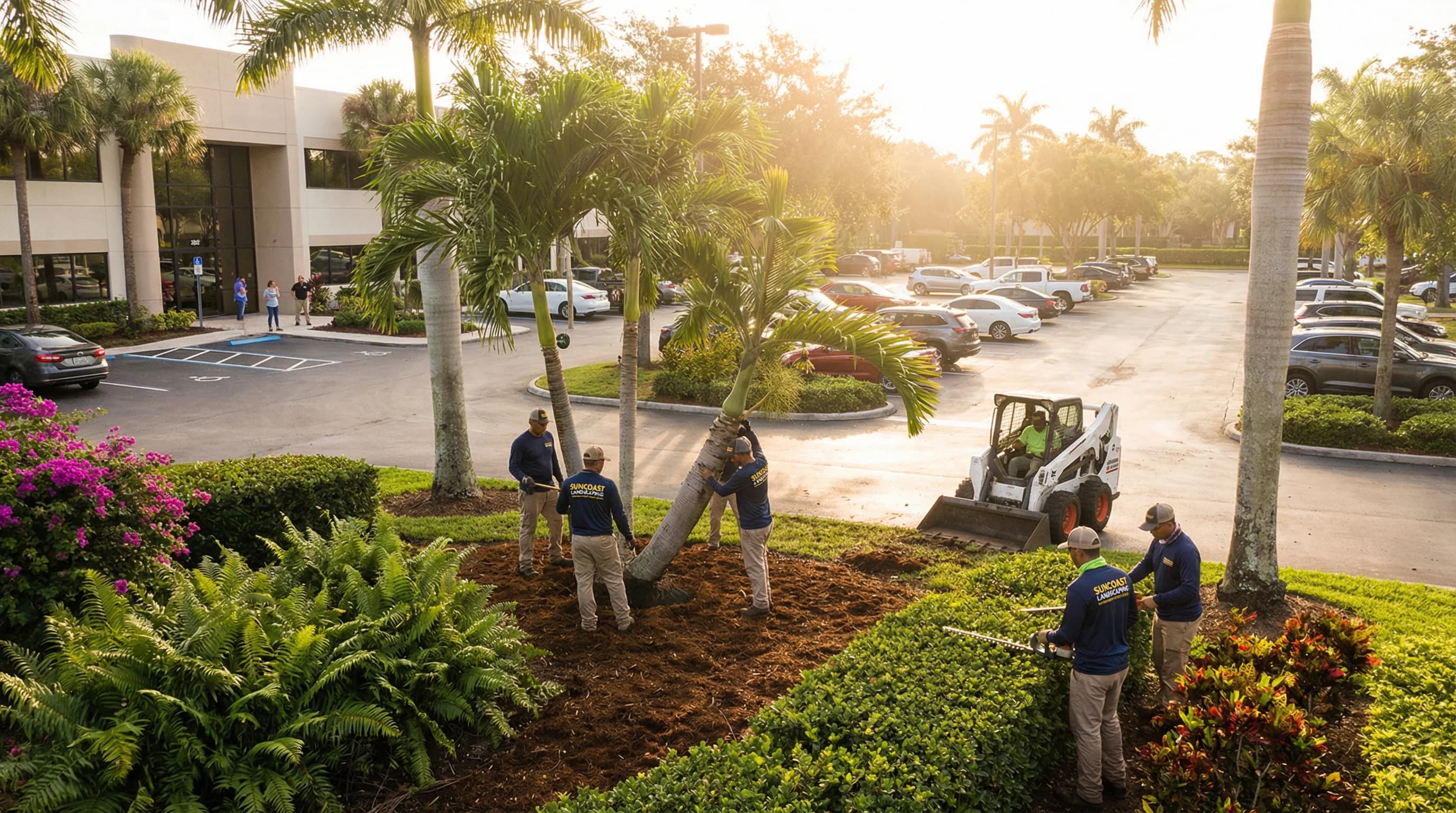
Landscaping insurance in Florida has to match the actual work. A simple mowing route, HOA maintenance contract, irrigation installer, hardscape crew, tree service add-on, commercial fertilizer applicator, and storm cleanup crew do not have the same coverage needs or price.
The word "landscaping" can describe very different operations. The quote should reflect the vehicles, equipment, workers compensation, pesticide exposure, contract wording, and storm work the crew actually performs.
Compare core coverage on our Florida landscaping insurance page, then use this checklist to organize GL, workers comp, auto, tools, chemical work, and COIs before renewal or a new contract.
Need landscaping coverage reviewed? Send current policies, payroll, vehicles, trailers, equipment, contracts, COI wording, pesticide or fertilizer details, and loss runs.
Florida Landscaping Insurance Should Match the Work Type
Florida landscaping insurance pricing depends on the work type. Mowing, planting, irrigation, hardscape, tree work, fertilizer, chemical treatment, and storm debris removal can all change the coverage and current carrier choices.
The coverage review should identify:
- Residential vs commercial revenue
- Mowing and maintenance
- Landscape installation
- Irrigation work
- Hardscape or retaining-wall work
- Tree trimming or removal
- Pesticide, herbicide, or fertilizer application
- Storm cleanup or debris hauling
- Subcontractor use
- HOA, municipal, or property manager contracts
The certificate is not the coverage
Property managers often ask for a certificate fast, but the certificate does not show every exclusion, limitation, or work-type restriction. Review the actual policy before assuming the job is covered.
General Liability for Lawn Care and Landscaping
General liability for lawn care and landscaping can address covered third-party bodily injury and property damage claims. That includes common scenarios like debris damaging a vehicle, a client tripping over equipment, or accidental damage to a customer's property.
For Florida landscapers, GL review should include:
- Mowing and debris-ejection claims
- Irrigation damage
- Planting and installation work
- Completed operations
- Tree work limitations
- Subcontractor conditions
- Contract-required additional insured wording
- Pollution, pesticide, herbicide, or fertilizer exclusions
Common landscaping GL scenario
A mower throws debris into a parked customer's vehicle while the crew is cutting a commercial property. The customer expects the landscaping business to handle the damage.
That is the kind of third-party property damage issue a GL policy is designed to review, subject to the policy terms.
Workers Comp for Florida Landscaping Crews
Workers comp for Florida landscaping crews should be reviewed before a helper, employee, or crew member starts work. The Florida CFO employer coverage guidance says construction industry employers with one or more employees, including certain owners, corporate officers, or LLC members, must carry workers compensation coverage.
Many landscaping and lawn care operations are reviewed under construction-related classifications depending on the work. That makes employee count, owner/officer status, exemptions, subcontractor proof, and class codes important.
Workers comp review should include:
- Payroll by role
- Owners, officers, and LLC member status
- Employee vs subcontractor details
- Mowing, installation, irrigation, tree, and clerical work split
- Loss runs
- Safety practices
- Return-to-work options
Pro Tip
Do not classify the whole crew based on the lightest description. If the crew does irrigation, tree work, hardscape, or storm cleanup, say so before the policy is bound.
Commercial Auto for Trucks, Trailers, and Crews
Commercial auto for landscaping trucks, trailers, and crews matters because the vehicles are part of the work. They carry mowers, tools, fuel, plants, trailers, employees, and materials across Florida roads every day.
Review:
- Truck and trailer schedule
- Driver list and MVRs
- Garaging ZIPs
- Radius of operations
- Trailer ownership and value
- Hired and non-owned auto
- Employee personal vehicle use
- Contract-required auto limits
A personal auto policy is not built for routine business use, trailer hauling, employee driving, or commercial certificate requirements.
Equipment and Inland Marine for Mowers and Tools
Equipment and inland marine coverage protects the gear that keeps the business running. General liability does not cover your own mowers, trimmers, blowers, sprayers, trailers, or tools just because they were stolen from a jobsite or damaged in transit.
Build an equipment list with:
- Zero-turn and walk-behind mowers
- Trailers
- Trimmers, blowers, edgers, and hand tools
- Sprayers and spreaders
- Irrigation tools
- Chainsaws and tree equipment
- Skid steers or compact equipment
- Replacement values and serial numbers
Equipment theft scenario
A landscaping trailer is stolen overnight with mowers, trimmers, blowers, and hand tools inside. Without tools and equipment coverage, the business may have to replace the gear out of pocket before the next route.
Pesticide, Herbicide, Fertilizer, and FDACS Rules
Pesticide, herbicide, fertilizer, and FDACS rules matter because chemical work creates both compliance and insurance questions. The FDACS pesticide applicator licensing page says pesticide applicator licensing requires passing the required certification exams before applying for a license.
FDACS also explains on its pest control licensing and certification page that Limited Commercial Landscape Maintenance certification allows certain pesticide applications to ornamental plants and plant beds only. It does not authorize turf pesticide applications or operating a commercial pest control business.
The same FDACS page says all commercial fertilizer applicators must be certified for fertilizer applications to commercial or residential turf or ornamental areas. If your crew applies fertilizer, pesticides, herbicides, or weed-and-feed products, the quote needs that detail.
Insurance questions include:
- Does the GL exclude or limit chemical claims?
- Is contractors pollution liability needed?
- Are pesticide, herbicide, fertilizer, or drift claims addressed?
- Are applicators licensed or certified where required?
- Are labels, application records, and employee training documented?
Storm Cleanup, Tree Work, and Debris Hauling
Storm cleanup, tree work, and debris hauling can move a landscaping company beyond routine maintenance coverage. Chainsaws, downed trees, hauling, loaders, traffic exposure, damaged structures, and emergency work can change both the insurance needed and the price.
Tell the office if the business performs:
- Tree trimming or removal
- Hurricane or storm debris cleanup
- Chainsaw work
- Loader or skid steer work
- Debris hauling
- Work near structures, utilities, or roadways
Do not assume a routine lawn care policy covers storm cleanup just because the same crew performs the work.
HOA, Property Manager, and Municipal COIs
HOA, property manager, and municipal COIs often require specific wording. A landscaping business may need additional insured status, waiver of subrogation, primary and noncontributory wording, higher auto limits, umbrella limits, or special certificate language before starting the contract.
Send the contract or COI request before binding. The office can only confirm wording if it sees the wording.
Key Takeaway
For Florida landscaping businesses, the key gaps usually sit in workers comp classification, commercial auto, equipment coverage, chemical or fertilizer exposure, storm/tree work, and contract COI wording. The quote should match the crew's real work, not a generic lawn-care label.
What to Gather Before a Landscaping Quote
Current policies, payroll, vehicles, equipment, chemical work, contracts, and loss history help the office compare the landscaping coverage and prices available.
- Current policies
- Payroll by role
- Revenue by mowing, maintenance, installation, irrigation, hardscape, tree, chemical, and storm work
- Vehicle and trailer schedule
- Driver list
- Equipment list and values
- Pesticide, herbicide, or fertilizer certification details
- Contracts and COI wording
- Subcontractor certificates
- Loss runs
- Renewal, bid, or job-start deadline
Georgia or South Carolina Landscaper? Use a State-Fit Specialist
Our office focuses on Florida landscaping, lawn care, and contractor insurance. If your crews are based in Georgia or South Carolina, you need an agent who works those states and understands green-industry accounts there.
For Georgia and South Carolina landscaping businesses, we recommend Green Pro Insurance. Green Pro is powered by Barlow Insurance in Kingsland, Georgia, and works with landscape, lawn maintenance, and irrigation crews across the Southeast.
Simple rule: Florida landscaping businesses can start with our office. Georgia and South Carolina landscaping businesses should start with Green Pro so the coverage review matches the state where the crew actually works.
Related Greene Resources
Use these related pages to compare landscaping coverage, get prices, or handle a certificate request.
- Florida landscaping insurance
- Pest control insurance
- General liability insurance
- Workers compensation insurance
- Commercial auto insurance
- Commercial umbrella insurance
- Certificate of insurance request
Florida Landscaping Insurance FAQ
Florida landscaping insurance FAQs should answer the coverage-stack, workers comp, vehicle, equipment, pesticide, fertilizer, and quote-document questions before a renewal, contract, or jobsite issue.
Quick answers for lawn care and landscaping businesses comparing GL, workers comp, commercial auto, equipment, chemical work, and COIs.
What insurance does a Florida landscaping business need?
Most Florida landscaping and lawn care businesses should review general liability, workers compensation, commercial auto, tools and equipment coverage, property coverage if they have a shop or yard, umbrella or excess liability for larger contracts, and pollution or specialty coverage when pesticide, fertilizer, tree, irrigation, or storm work creates added exposure.
When should a Florida landscaping business review workers compensation?
Workers compensation should be reviewed before the first employee or helper starts. Florida construction employers with one or more employees generally must carry workers compensation coverage, and many landscaping operations are reviewed as construction-classified work depending on the operation.
Does general liability cover pesticide, herbicide, or fertilizer damage?
Not automatically. Chemical, pesticide, herbicide, fertilizer, drift, runoff, or contamination claims may be excluded or limited under standard GL policies. Landscaping businesses that apply chemicals or fertilizer should review pollution liability, endorsements, and FDACS licensing or certification requirements.
Do Florida landscapers need commercial auto insurance?
Yes, if trucks, trailers, vans, or employee vehicles are used for business. Personal auto policies are not designed for crews hauling mowers, tools, materials, trailers, employees, or commercial jobsite equipment.
What should I send for a landscaping insurance quote?
Send current policies, payroll, revenue by mowing/maintenance/irrigation/tree/storm/chemical work, vehicle and driver lists, trailer details, equipment values, pesticide or fertilizer certification details, contracts, COI wording, subcontractor proof, and loss runs.
Need help comparing pollution, equipment, commercial auto, or certificate requirements for a landscaping business? Contact Greene & Associates and our office can help.
Tell us what your crew does, what vehicles and equipment you run, whether you apply fertilizer or chemicals, and what contracts are asking for. We can review the Florida coverage options that fit.
Al Greene
Founder
Al Greene founded Greene & Associates in 1995 and has been a licensed Florida 2-20 General Lines Insurance Agent since 1983 — over 40 years in the industry. A U.S. Military Veteran and longtime FAIA member, he's seen the Florida market through every storm season and rate cycle since Hurricane Andrew. FL License #A103686.
al@greeneinsurance.comReady to Get Covered?
Our licensed agents compare carrier options, coverage, and price, then help you choose.