
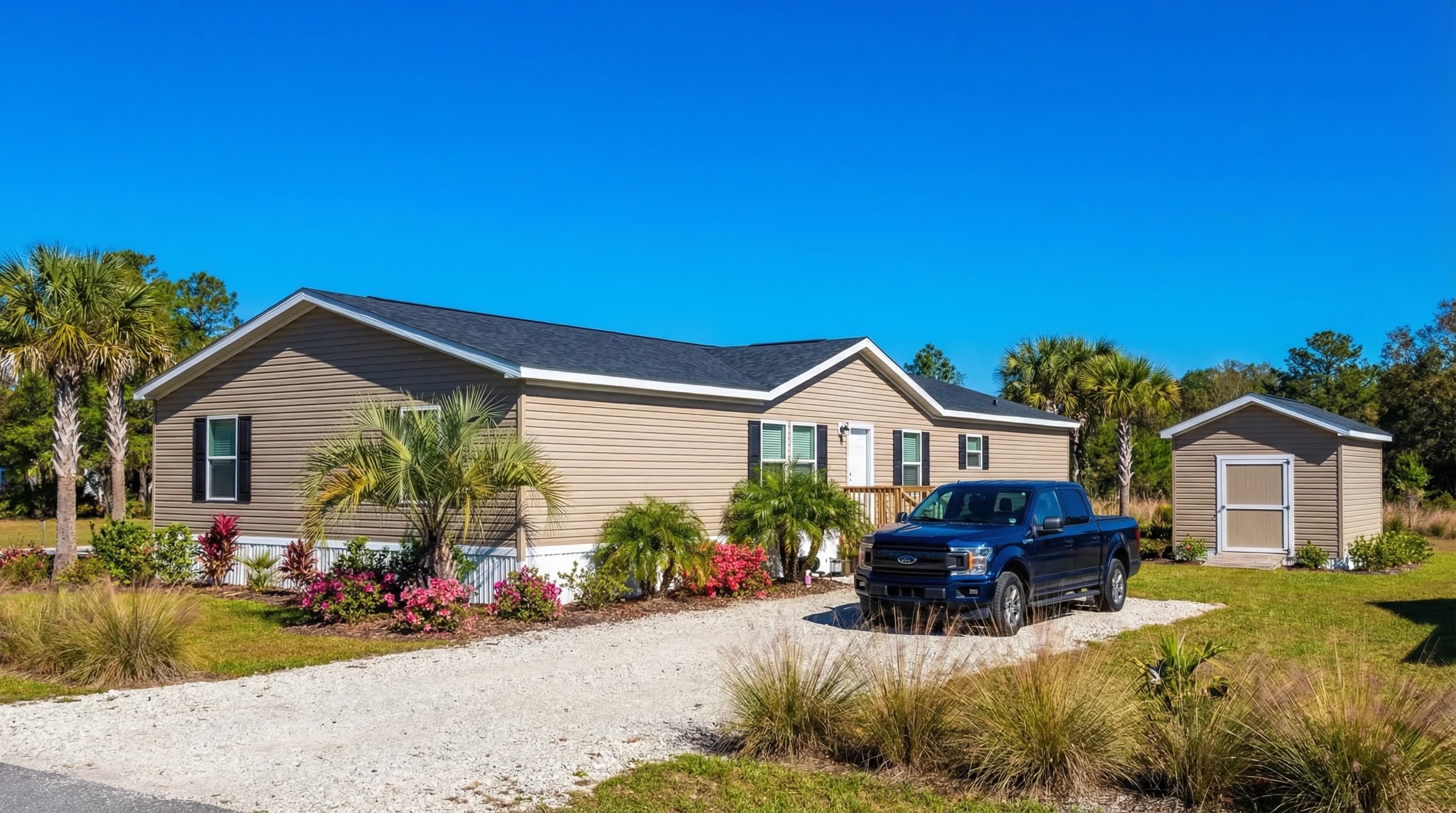
Florida Mobile & Manufactured Home Insurance
Give us the home address. Your dedicated agent will check pricing and compare available mobile-home insurance options.
4.8 Google ratingSee client reviewsFlorida Mobile Home Insurance at a Glance
- Policies can cover wind, fire, theft, liability, and personal property depending on the form, exclusions, and deductible structure
- Florida wind exposure makes anchoring details, roof condition, coverage, and carrier options especially important for mobile and manufactured homes
- Year built, title or VIN, roof, occupancy, setup, and flood details help us compare more mobile-home quotes
- Flood is separate, so the home quote and the flood quote should be reviewed together
A clearer path for Florida mobile-home insurance
We regularly help with mobile and manufactured homes. Share the basic details once, and we'll shop the current options for your home.
See what helps the quote move fasterWhen additional carrier options may be available
For an owner-occupied or primary-residence mobile home, share the ownership, year built, roof, exterior, occupancy, flood, and lender details so we can compare the right mobile-home options.
What helps us compare mobile-home markets
Year built, post-HUD status, roof condition, tie-downs, plumbing/electrical/HVAC updates, park or owned-land setup, prior losses, dogs, flood zone, and coastal wind exposure can all decide which markets make sense.
When to call us directly
For a pre-HUD, vacant, fixer-upper, waterfront, or time-sensitive home, call us with the year built, condition, ownership, lender, and park details. We can compare the coverage and prices available for the home.
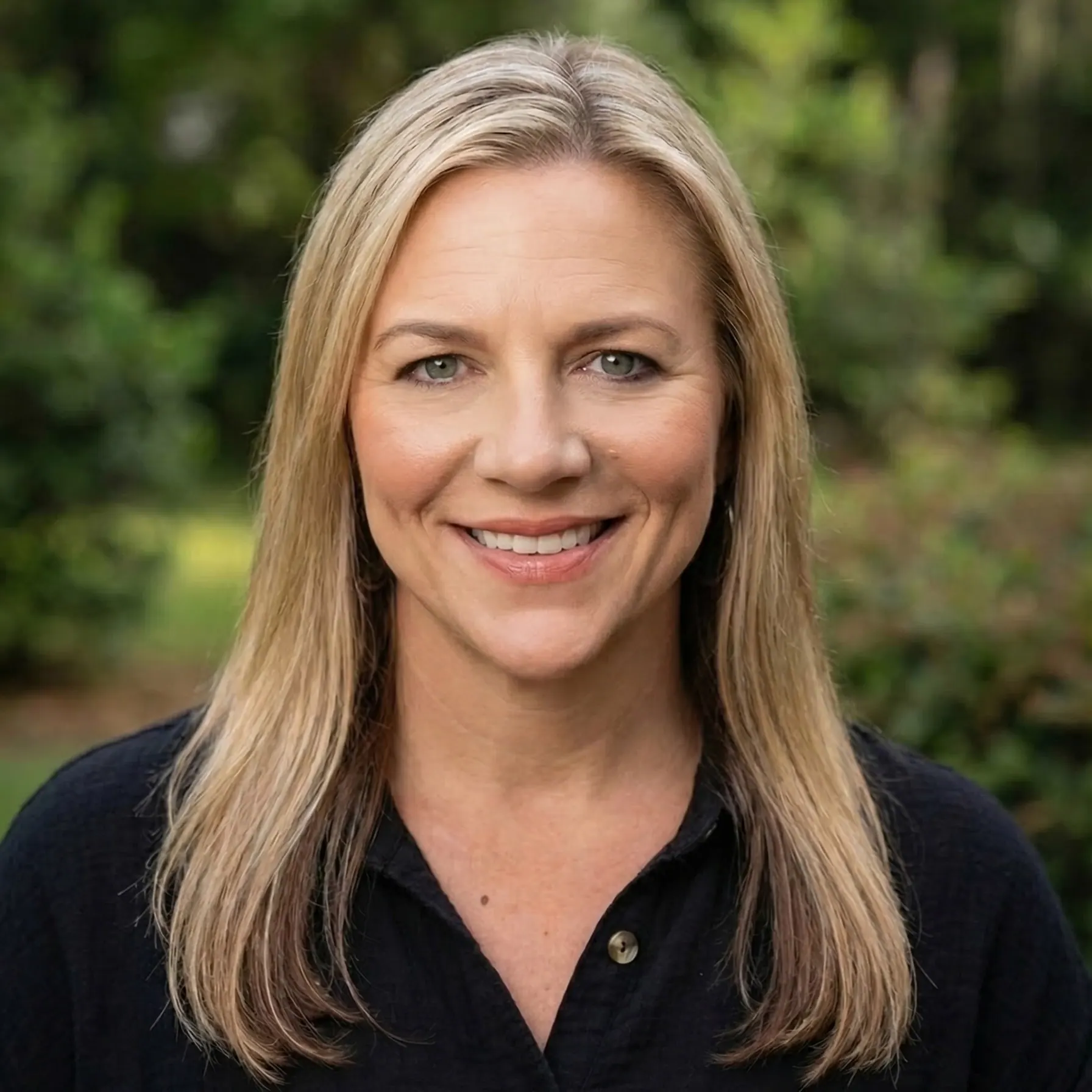
Personal-lines help for Florida mobile and manufactured homes
Jenna Greene, Personal Insurance Team Leader and Florida 20-44 license W055787, helps buyers and owners shop mobile-home options using tie-down details, roof condition, flood needs, and park or lender deadlines. Bring us the title, roof, flood, and anchoring details, and we can start checking prices for your home.
Open the mobile-home quote checklistWhat Does Mobile Home Insurance Cover?
Compare the dwelling, personal property, liability, wind, loss of use, and other available coverage for the home.
Dwelling Coverage
Can help cover the structure of your mobile or manufactured home after covered losses, depending on policy form, exclusions, and deductible structure.
Personal Property
Can protect belongings inside the home, subject to policy limits, deductibles, and special item restrictions.
Liability Protection
Can help with covered liability claims if someone is injured on your property or you accidentally damage someone else's property.
Additional Living Expenses
Can help with temporary housing and extra costs if your home becomes uninhabitable after a covered loss.
Additional Structures
Can cover detached structures like sheds, carports, decks, screen rooms, and storage buildings when the policy includes that protection.
Hurricane & Wind Coverage
Important part of a Florida mobile-home quote when wind exposure, roof condition, anchoring, and deductible structure are being reviewed.
Choose the right Florida property-insurance path
This page is for mobile and manufactured homes. For standard homeowners insurance, flood, county pricing, or new construction, choose the matching page so we can compare the right options.
This is a standard site-built home?
Use the homeowners page for a conventional site-built primary residence instead of a mobile or manufactured home.
Florida homeowners helpNeed Florida county pricing context?
Use the county guide when you want a faster read on how location changes the premium conversation before you quote.
County pricing guideNeed flood too?
Mobile-home insurance and flood insurance are separate decisions, so compare NFIP and private flood options before you lock the payment plan.
Flood insurance optionsBuilding a new home instead?
If this is a new construction deal rather than an existing mobile or manufactured home, take the dedicated new-construction path.
New construction coverageAlready know this is a mobile or manufactured-home quote? Start online or call us, and Jenna will help you shop the current options.
Fast answers for your Florida mobile-home quote
The main questions are which companies will consider the home, what it may cost, whether flood is separate, and which documents carriers need. We'll help you answer them and compare the options.
What helps us compare mobile-home quotes?
Year built, title or VIN details, occupancy, roof age, update history, tie-down or setup information, and the flood zone help us compare more mobile-home carriers and prices for you.
Why do tie-downs and anchoring matter so much?
Anchoring details can affect both coverage options and pricing because carriers need to know how the home is secured for wind. Having tie-down information ready helps us compare quotes faster.
What documents help a Florida mobile-home quote move faster?
Start with the current declarations page, title or VIN details, HUD data plate when available, roof and update information, occupancy, flood zone, and any lender or park deadline. Our checklist covers the full prep list.
Does mobile-home insurance include flood?
No. Just like standard homeowners coverage, flood is separate. In Florida, the real monthly cost picture is often the mobile-home quote plus the flood decision, not one without the other.
Florida Mobile Home Insurance Considerations
What to Have Ready for a Mobile-Home Quote
Having the home's key details ready helps us compare mobile-home quotes faster.
Already have title, VIN, or roof details handy? Our Florida mobile-home insurance quote checklist can help. If not, start with the address and use the checklist later.
Florida sources for mobile-home insurance questions
HUD manufactured housing information
HUD homeowner resources for manufactured homes, including construction standards, labels, and consumer guidance.
FEMA flood map service center
Flood-zone lookup and map resources when a mobile-home quote also needs flood review.
Florida DFS insurance guides
Florida consumer insurance guides for shopping, claims, flood, and coverage questions.
Frequently Asked Questions
Related Coverage
Give us the address. We'll check mobile home pricing.
Your dedicated agent will compare the options available for the home and help you choose.