
General liability and campus premises
Review visitor injuries, parent events, field trips, classroom incidents, playground exposure, gym or athletic areas, vendors, volunteers, certificates, and additional insured wording.
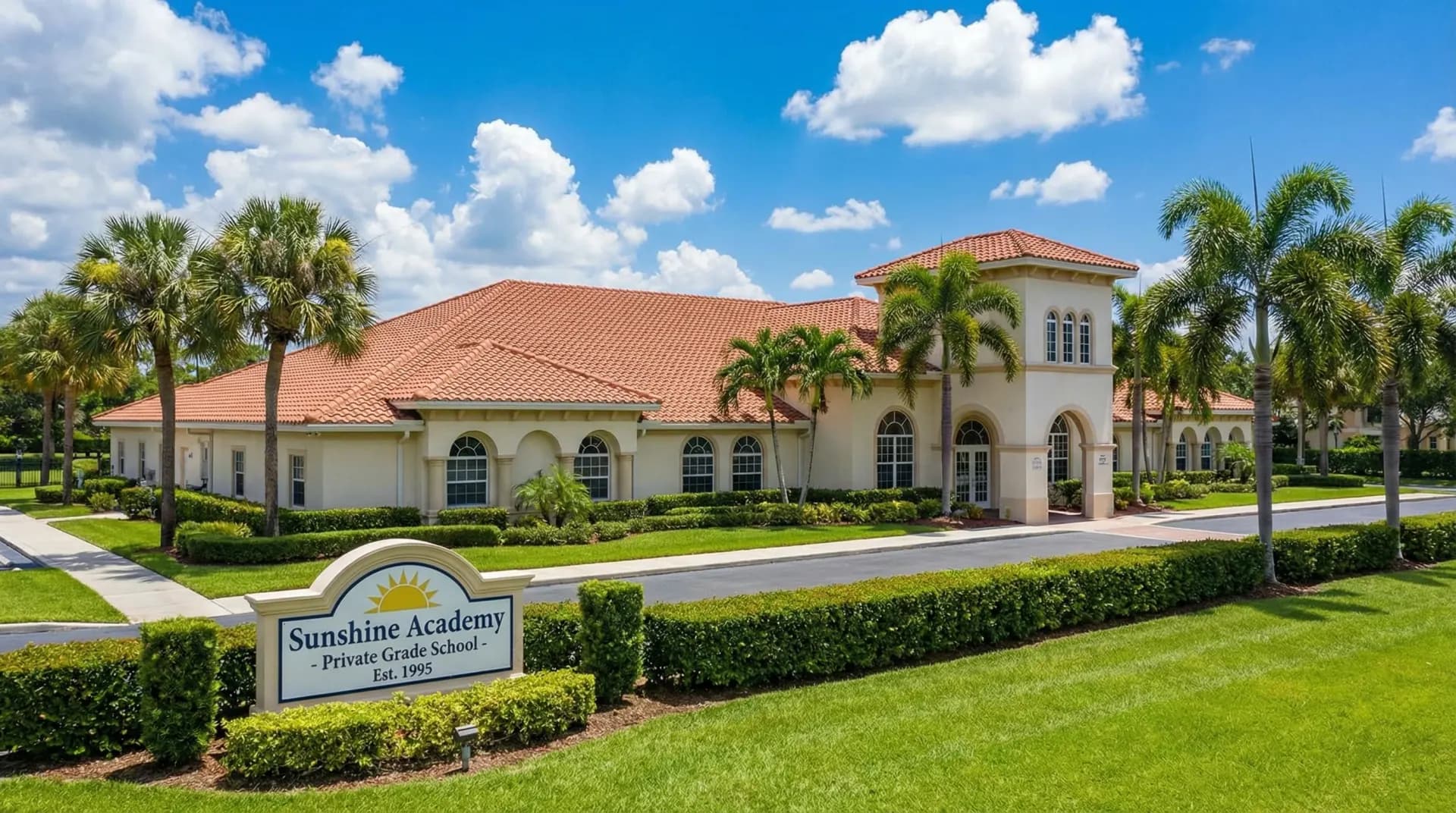
Before renewal, a Florida private school should review the whole account: student injuries, general liability, student accident, abuse/molestation wording, cyber, property, workers comp, vehicles, athletics, board liability, employment practices, and the documents insurers need to compare coverage and pricing.
Start with the coverage lines that usually create the biggest misunderstandings: student injury, campus liability, abuse/molestation wording, cyber, employment practices, vehicles, property, and board liability. A broad school policy can still have narrow exclusions hiding in the places that matter.
Review visitor injuries, parent events, field trips, classroom incidents, playground exposure, gym or athletic areas, vendors, volunteers, certificates, and additional insured wording.
Confirm whether the school has student accident coverage for medical expenses after injuries at school activities, athletics, clubs, recess, field trips, and supervised events.
Do a separate SAM review for limits, sublimits, exclusions, reporting conditions, defense language, retro dates if applicable, and safeguarding controls carriers may ask about.
Check building values, contents, technology, signs, fences, playground equipment, roof records, wind deductibles, flood exposure, ordinance or law, and downtime after a covered loss.
Review employee count, payroll, teacher and staff roles, coaches, maintenance workers, volunteers, contractors, and whether the file meets Florida workers comp requirements.
List owned buses or vans, employee driving, rentals, borrowed vehicles, field trip transportation, driver screening, MVR review, and hired/non-owned auto exposure.
Review tuition payment portals, learning platforms, parent communications, employee data, MFA, backups, vendor contracts, breach response, ransomware, and privacy liability.
Separate educators legal liability, D&O, EPLI, fiduciary, professional liability, claims-made continuity, prior acts, retro dates, and prior-knowledge questions.
State-source context
These state requirements help describe the school's records, inspections, health and safety process, food service, transportation, and operational controls for the quote.
Abuse/molestation coverage requirements can come from contracts, scholarship programs, accreditation, lenders, boards, or insurer terms. Confirm the school's actual requirements before choosing coverage.
Florida DOE says private schools must register with the Department of Education, complete the annual survey, keep attendance records for compulsory attendance purposes, submit owner fingerprints to FDLE, and transfer permanent records if a school becomes defunct.
The Florida DOE states it does not have jurisdiction over private schools and does not regulate, control, approve, or accredit private educational institutions. That distinction matters when a policy, lease, parent, or board member assumes a public-school style regulatory framework.
The detailed Florida DOE and DOH materials point to school-entry health exams, immunization documentation, sanitation and safety standards, water-system review, food-service inspection where applicable, radon measurement for K-12 buildings, and fire inspection context.
Florida CFO guidance says non-construction employers generally need workers compensation coverage with four or more employees, including business owners who are corporate officers or LLC members. Construction thresholds are different, so unusual maintenance, project, or contracting operations should be reviewed separately.
This is where many renewal conversations get sloppy. Student accident coverage and general liability may both involve an injury, but they answer different insurance questions.
Student accident coverage can help with covered medical expenses after a student injury at a school activity, athletic event, field trip, recess, or supervised program. It can reduce friction with parents after an accident even when the school is not clearly negligent.
General liability is a legal liability coverage lane. It may respond when the school is alleged to be responsible for bodily injury or property damage, subject to the policy's terms, exclusions, limits, and defense provisions.
The phrase "abuse coverage" is not enough. A school renewal should look at how the policy handles allegations, defense, reporting, prior acts, volunteers, student-on-student allegations, sublimits, and excluded conduct.
Send the school file for reviewWhat SAM limit applies per claim and aggregate?
Is there a separate sublimit or defense-inside-limits issue?
Does wording include exclusions tied to prior knowledge or reporting timing?
Are volunteers, coaches, contractors, and student-on-student allegations addressed?
Does the carrier ask for written safeguarding, supervision, and background-screening procedures?
Is the school relying on a general liability form that excludes or sharply limits SAM claims?
Cyber and leadership liability
U.S. DOE guidance says K-12 private and parochial schools generally are not subject to FERPA when they do not receive U.S. Department of Education funding. That narrow legal point does not make tuition portals, payroll systems, student records, learning apps, email accounts, or vendor platforms harmless.
Cyber insurers may ask about MFA, backups, endpoint security, vendor access, incident response, payment controls, and staff training. Board and administrator coverage can raise a different set of D&O, EPLI, fiduciary, educators liability, claims-made, retro-date, and prior-knowledge questions.
D&O for school board and leadership decisions
EPLI for employment practices allegations
Fiduciary questions for benefit-plan duties
Educators legal liability and professional services wording
Claims-made continuity, retro dates, and prior acts
Cyber overlap with privacy, funds transfer, and ransomware
One organized set of documents makes it easier to compare coverage and pricing without repeated requests. Start with these practical sections and send what the school already has.
Quote details
Complete school details help insurers understand the operation and let our office compare coverage, limits, and pricing more accurately.
No clear student count, staff count, payroll, grade range, or program schedule
Unclear abuse/molestation limits, sublimits, exclusions, or prior-acts wording
Athletics, camps, field trips, transportation, or overnight activities not described before quoting
Old roof, weak property values, missing inspection records, or unclear wind/flood deductibles
No loss runs, unresolved claim history, or missing explanations for prior incidents
Employee, volunteer, and contractor roles blurred together in one vague answer
Cyber controls unknown even though the school uses online portals, learning platforms, or tuition payment systems
Board, D&O, EPLI, educators liability, and fiduciary questions lumped into general liability
We used official state and federal sources for regulatory context, then kept the insurance guidance practical and non-guaranteed.
Florida DOE explains that private schools register annually, submit the annual survey, keep attendance records, submit owner fingerprints, and meet health and safety requirements.
Detailed state checklist covering health exams, immunizations, sanitation and safety standards, water, food service, radon, fire inspections, and records.
Florida DOH guidance on county health department contact, fire approval, local building approvals, food service approval, and inspection topics.
Florida CFO guidance on workers compensation thresholds, including the general non-construction rule for employers with four or more employees.
U.S. DOE student privacy guidance noting FERPA applies to institutions receiving U.S. Department of Education funds and that K-12 private/parochial schools generally are not subject to FERPA.
U.S. DOE guidance explaining that student-data breaches are common and can create identity theft, fraud, and extortion risk.
Our main Florida private school insurance page for the full program: campus, students, staff, property, vehicles, cyber, and leadership exposures.
Send enrollment, staff, campus, vehicle, coverage, and renewal details so we can compare private school options and pricing.
Use this when board, D&O, EPLI, fiduciary, educators liability, claims-made, or prior-acts wording is driving the school conversation.
Review breach response, ransomware, student and employee data, vendor platforms, notification costs, and privacy liability.
See the baseline CGL coverage lane for third-party injury, property damage, certificates, and additional insured requirements.
Review Florida workers comp thresholds, payroll, employee roles, exemptions, and contract requirements before renewal.
Quick answers for administrators, board members, church-school leaders, and campus operators trying to get renewal-ready.
A Florida private school should review general liability, student accident, abuse and molestation wording, commercial property, wind and flood exposure, business income, workers compensation, commercial auto, hired and non-owned auto, cyber liability, educators legal liability, D&O, EPLI, fiduciary, and umbrella coverage before renewal.
Send the current policy, student and staff details, campus property, vehicles, safeguarding practices, cyber controls, board liability, and renewal documents so Greene & Associates can compare options.