
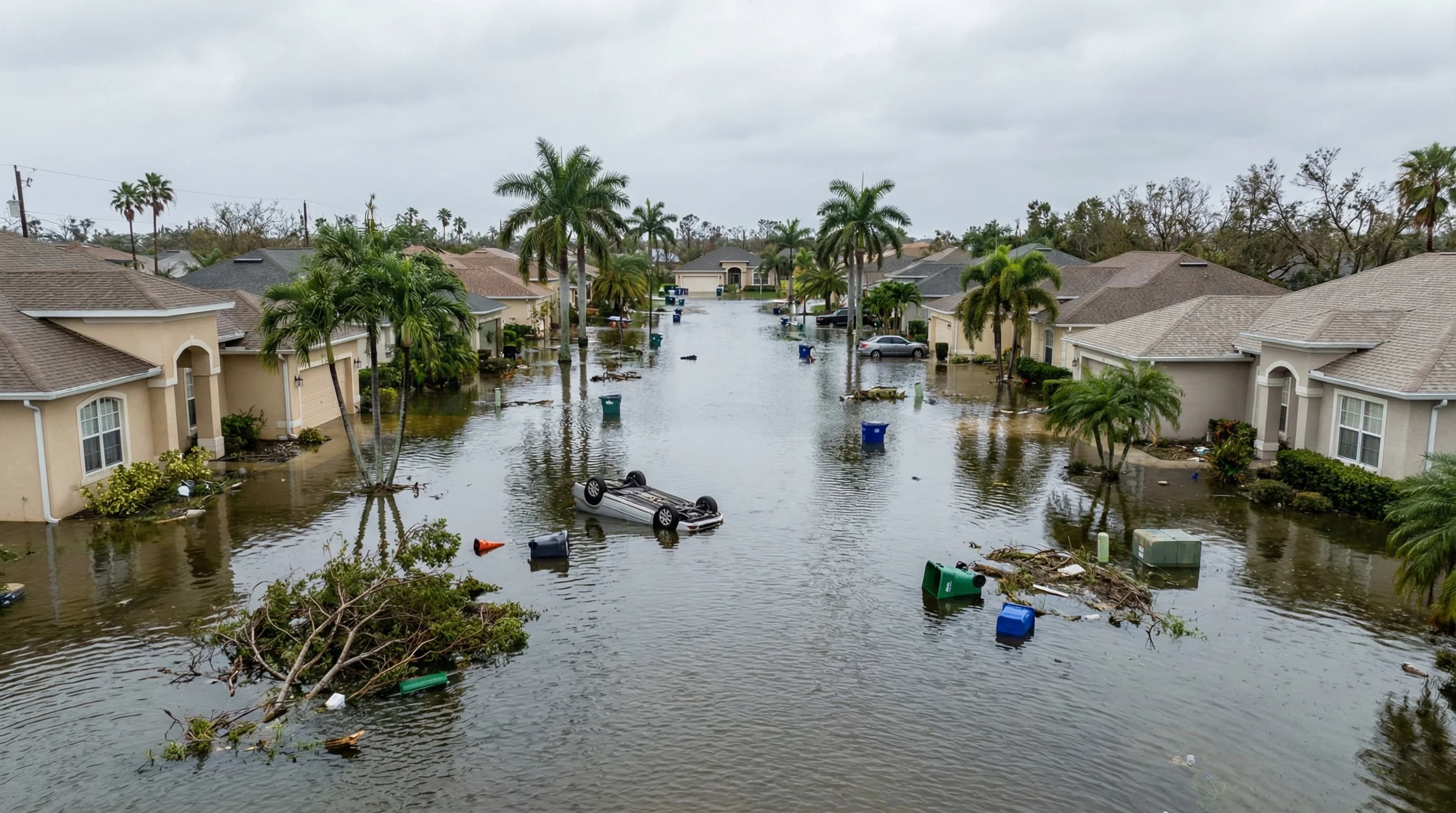
Flood Insurance in Columbia County, FL: Lake City, Rivers, Zone X, and Quote Prep
Columbia County flood insurance guide for Lake City homeowners reviewing NFIP, private flood, Zone X, AE, elevation certificates, lender rules, and quote prep.

Joe Greene
Licensed Insurance Agent
Flood insurance in Columbia County is not only a riverfront issue.
Lake City, Fort White, rural Columbia County, the Suwannee River side of the county, the Santa Fe River basin, Olustee Creek drainage, springs, low rural land, and heavy-rain drainage can all create flood questions. A lender may focus on the FEMA flood zone, but a homeowner should also ask what happens if water rises from the ground up.
Homeowners insurance generally does not cover flood damage. Columbia County homeowners can compare NFIP and private flood options while there is time to choose coverage and price without a weather or lender deadline.
Key Takeaway
For a flood quote, send the property address, current homeowners policy, lender flood determination if available, flood zone if known, elevation certificate if you have one, foundation type, replacement cost, desired building and contents limits, prior flood history, and whether you want NFIP and private flood compared.
Homeowners Insurance Does Not Cover Flood Damage
This is the first thing to settle: flood is normally a separate policy conversation.
FloodSmart says most homeowners and renters insurance does not cover flood damage. That is the gap that surprises people after heavy rain, river rise, storm runoff, or drainage problems.
If water enters from the ground up, from rising water, from an overflowing river or creek, or from sheet flow, your normal home policy is not the policy you want to rely on.
Flood Is Not the Same as Wind-Driven Rain
Wind damage, roof leaks, storm surge, rising water, drain backup, and flood can be treated differently by insurance policies. Do not assume a storm-related water loss is covered just because the storm had wind.
Columbia County Flood Zones: A, AE, and X
FEMA flood maps classify properties by mapped flood risk.
Zone A or AE usually means a Special Flood Hazard Area. If the property has a federally backed mortgage, the lender generally requires flood insurance.
Zone X shaded means moderate mapped risk. Lenders may not require flood insurance, but the property can still flood.
Zone X unshaded means lower mapped risk. It does not mean "no flood risk."
Use FEMA's Flood Map Service Center to check the map, then confirm lender requirements and property-specific details before deciding.
Lake City Flood Risk Is About More Than the Coast
Columbia County is inland, but inland does not mean dry.
Flood questions around Lake City and Columbia County can involve:
- Suwannee River basin exposure
- Santa Fe River and Fort White area exposure
- Olustee Creek drainage
- Springs and low rural land
- Roads, culverts, ditches, and slow-draining parcels
- Manufactured homes or homes with lower foundation clearance
- Heavy rain events that overwhelm local drainage
This is why a flood review should start with the property address, not just a broad county average.
NFIP Flood Insurance
The National Flood Insurance Program is the federal flood insurance program managed by FEMA and sold through participating insurance agents and companies.
NFIP can be a good fit for many properties, especially when a lender wants a straightforward flood policy. NFIP also has program rules, limits, waiting periods, and coverage terms that should be understood before relying on it.
Common NFIP quote questions include:
- Building limit
- Contents limit
- Flood zone
- Foundation type
- Replacement cost
- Elevation information
- Prior flood history
- Occupancy
- Lender requirements
For statewide coverage and pricing, see our Florida flood insurance page.
Private Flood Insurance
Private flood insurance may be worth comparing when available.
Depending on the property, private flood may offer different limits, deductibles, waiting periods, contents treatment, loss-of-use options, or pricing than NFIP. It is not automatically better or worse.
The right answer depends on the home, flood zone, elevation, foundation, lender, prior flood history, replacement cost, and current carrier choices.
Have a Lake City or Columbia County property with flood questions? Send the address, lender flood determination, flood zone, elevation certificate if available, and current home policy.
Zone X Still Deserves a Conversation
Zone X is where many buyers get comfortable too fast.
A Zone X property may not have a lender flood requirement, but it can still have water exposure from drainage, low elevation, nearby creeks, roads, springs, or severe rain. Public discussions around Florida flood insurance are full of the same question: "Is it worth it if I am not in a high-risk zone?"
The answer is property-specific. A low-cost policy that fills a real gap may be an easy decision for one home, while another property may need elevation data or private-market comparison before the answer is clear.
Use our Zone X flood guide and NFIP vs private flood comparison for a deeper review.
Elevation Certificates
An elevation certificate records building elevation details that may help clarify flood insurance pricing or eligibility.
It is often discussed for properties in higher-risk mapped zones, but whether it helps depends on the property, mapping, foundation, policy type, and carrier. Ask whether the certificate would change the quote before ordering one.
If you already have an elevation certificate, send it with the quote request. If you do not, our office can help decide whether it is worth discussing.
Flood Timing and Waiting Periods
Flood insurance should be handled before the weather turns.
NFIP policies commonly have a waiting period before coverage starts, with limited exceptions. Private flood waiting periods and binding restrictions vary by carrier and storm conditions.
If a storm is already close or river levels are already becoming a concern, options may be limited. The best time to review flood is before hurricane season, before closing, before refinance, or before renewal.
What to Send for a Columbia County Flood Quote
Gather:
- Property address
- Current homeowners declarations page
- Lender flood determination if available
- FEMA flood zone if known
- Elevation certificate if available
- Foundation type and lowest-floor details if known
- Desired building and contents limits
- Prior flood claim or prior water history
- Photos or notes if the property is near river, creek, spring, ditch, or low ground
- Whether you want NFIP, private flood, or both compared
Those documents let our office compare the property using more than the flood map alone.
Getting Flood Insurance in Lake City and Columbia County
Our office is based in Lake City, and we help homeowners across Columbia County compare flood options.
Flood insurance should be reviewed alongside the home policy, roof/inspection file, lender requirements, and replacement cost. It is a separate coverage question, but it belongs in the same overall protection plan.
Call 1-800-252-6885 or send the property details online. We can review NFIP, private flood, lender requirements, Zone X or AE questions, elevation details, and the flood gap in your home policy.
Columbia County Flood Insurance FAQ
Do Lake City homeowners need flood insurance if they are not near a river?
Many should at least review it. Flooding can come from rivers, creeks, springs, sheet flow, poor drainage, and heavy rain, not just direct riverfront exposure. A Zone X designation means lower mapped risk, not zero flood risk.
Is flood insurance required in Columbia County, FL?
A lender generally requires flood insurance when a property with a federally backed mortgage is in a Special Flood Hazard Area such as Zone A or AE. Properties outside those zones may not be lender-required, but flood insurance can still be worth reviewing because homeowners insurance generally does not cover flood damage.
Does homeowners insurance cover flood damage in Lake City?
No. Standard homeowners insurance generally does not cover flood damage from rising water, river flooding, storm runoff, sheet flow, or overwhelmed drainage. Flood coverage is reviewed separately through NFIP or private flood options.
What is an elevation certificate?
An elevation certificate documents key elevation information for a structure relative to mapped flood risk. It can help clarify a flood insurance quote, especially for some A or AE zone properties, but whether it helps depends on the property, policy type, mapping, foundation, and carrier.
What should I send for a Columbia County flood insurance quote?
Send the property address, current homeowners policy, lender flood determination if available, flood zone if known, elevation certificate if you have one, foundation type, replacement cost, desired building and contents limits, prior flood history, and whether you want NFIP and private flood options compared.

Joe Greene
Commercial Lines Manager
Joe Greene has been a licensed Florida 2-20 General Lines Insurance Agent since 2005, with a focus on commercial coverage for North Florida contractors, trucking operations, and small businesses. If your question involves a fleet, a crew, or a certificate of insurance, he's probably answered it a hundred times. FL License #P005559.
joe@greeneinsurance.comReady to Get Covered?
Our licensed agents compare carrier options, coverage, and price, then help you choose.