1-800-252-6885
Greene & Associates Insurance
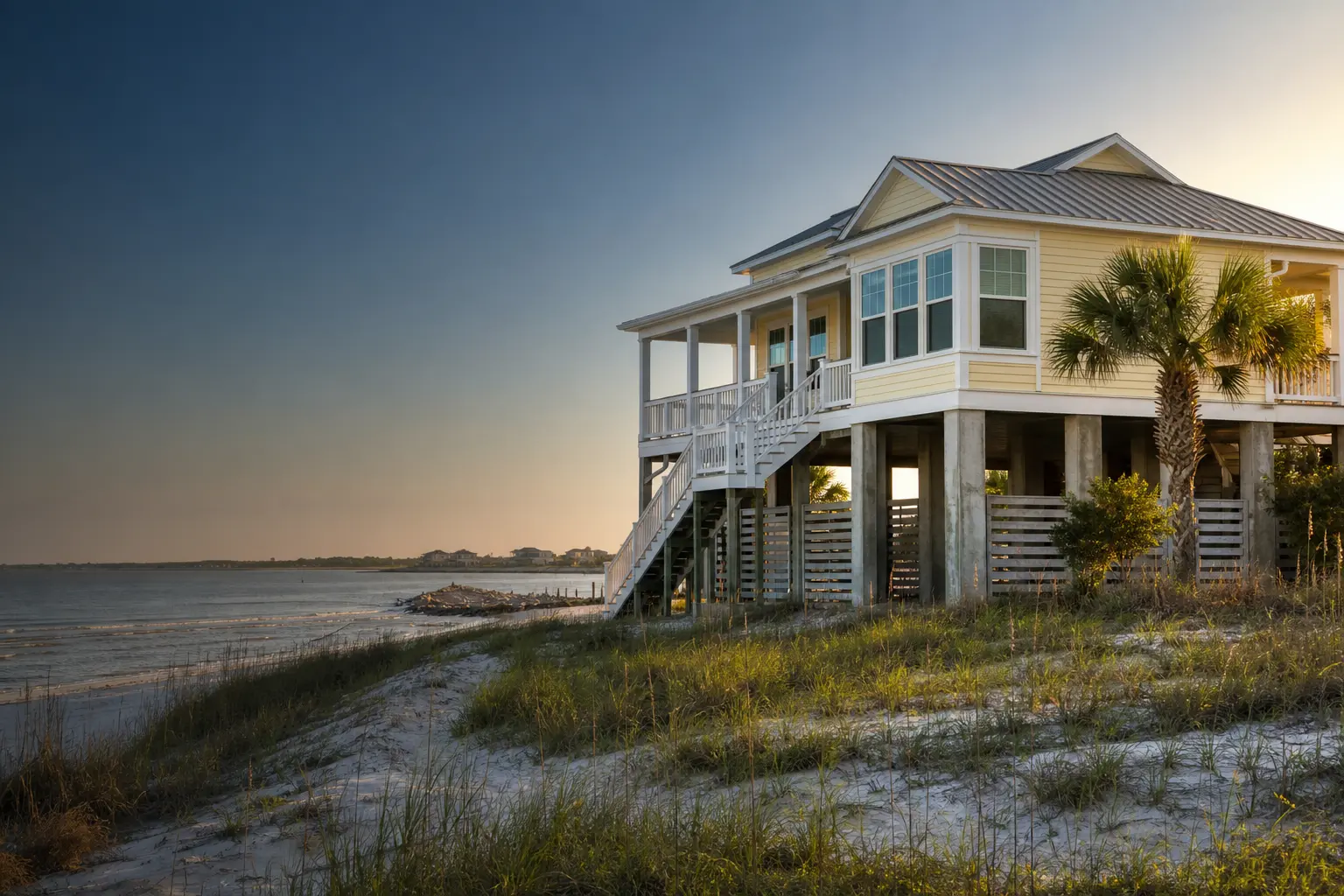
Elevated coastal Florida home for Flood Zone VE insurance guidance

Florida coastal flood guide

Flood Zone VE Insurance Cost in Florida

Flood Zone VE usually means lender-required flood insurance, coastal wave risk, and a bigger need to compare NFIP, private flood, and coverage limits carefully.

Florida independent agency comparing NFIP + private flood options.

Fast answer: what Zone VE usually means for Florida homeowners

Usually required

Flood insurance is commonly required when a federally regulated or insured lender is involved

Why it costs more

Coastal wave exposure, elevation, foundation details, and replacement cost can all push the quote

Best next step

Compare NFIP, private flood, and coverage limits by exact address before accepting the first option

Key takeaways: Flood Zone VE insurance in Florida

  • Zone VE is a coastal high-risk flood zone with wave action and commonly triggers lender-required flood insurance for mortgaged homes.
  • Zone VE quotes are usually more sensitive to elevation, coastal exposure, foundation design, and replacement cost than lower-risk flood zones.
  • NFIP may satisfy the lender requirement, but many Florida coastal homes need a side-by-side private flood or excess flood comparison because NFIP limits can run short.
  • A standard homeowners policy does not cover rising water or storm surge just because the home already carries wind or hurricane coverage.
  • The best buying decision is made by quoting the exact address early, before closing deadlines, storm-season restrictions, or renewal pressure narrow the options.

Coastal flood-zone answer

What Flood Zone VE means and why lenders take it seriously

Zone VE is one of the clearest signs that a Florida coastal property sits in a high-risk flood area with wave action. If the home has a mortgage from a federally regulated or insured lender, flood insurance is commonly required.

That lender rule is only the beginning. Coastal replacement cost, flood limits, elevation details, and whether private flood is acceptable can change the right answer fast.

Coastal wave exposure changes the risk

Zone VE is a coastal high-risk flood area with wave action. That matters because the property is not just dealing with standing water or heavy rain. Carriers and lenders are looking at a more severe loss profile near the coast.

Elevation and first-floor design matter more

The height of the structure relative to expected floodwater, the type of foundation, and how the lower area is built can all affect pricing. Elevation certificates and property details can make a meaningful difference in how a coastal flood quote gets rated.

NFIP limits can leave expensive homes short

NFIP residential building coverage is capped at $250,000 with up to $100,000 for contents. Many Florida coastal homes need private flood or excess flood options to handle the real replacement-cost gap.

Zone VE pricing is address-specific now

Flood zone still matters, but Risk Rating 2.0 also uses property-specific details like distance to water, flood frequency, replacement cost, and elevation. That is why one coastal home can quote very differently from another a few streets away.

Cost answer first

How much does flood insurance cost in Zone VE in Florida?

There is no safe statewide Zone VE average you should trust blindly. Flood Zone VE is one of the most address-sensitive coastal flood situations in Florida, so pricing often lands materially above lower-risk zones and can move fast based on elevation, distance to open water, replacement cost, and how the structure is built.

The honest answer is this: some Zone VE homes quote in the low thousands, while harder coastal risks can climb much higher. If the home is valuable, close to open water, or needs more than NFIP's basic limits, the quote can widen fast. That is why Zone VE buyers should compare the exact address instead of relying on a canned online estimate.

Why one Zone VE house can price very differently from another

Usually pushes price up

Lower elevation, stronger wave exposure, higher replacement cost, complicated foundation details, or a need for higher flood limits.

Can help the quote

Better elevation details, cleaner structural design, lower replacement cost, and a property that fits either NFIP or private flood more cleanly.

Zone VE quote checklist

  • Property address and flood zone, if known
  • Mortgage or lender flood requirement letter
  • Current homeowners declarations page
  • Existing flood declarations page, if renewing
  • Elevation certificate or survey, if available
  • Foundation details, enclosure/open area details, and approximate first-floor height
  • Desired building, contents, deductible, and loss-of-use needs

Zone VE vs Zone AE

Flood Zone VE vs Zone AE: why coastal wave action changes the quote

Both zones are high-risk flood areas and can trigger lender-required flood insurance. The difference is that Zone VE adds coastal wave action and a harsher structural-loss profile, which is why underwriting, construction details, and coverage strategy often get more serious here than on a typical Zone AE home.

Zone AE

  • High-risk flood area, often inland or non-wave coastal exposure
  • Base flood elevation is a major pricing detail
  • Still worth comparing NFIP and private flood by address
  • Usually less structurally punishing than true coastal wave-action risk

Zone VE

  • Coastal high-risk flood area with wave action
  • Elevation, open areas, foundation design, and wave exposure can drive bigger pricing swings
  • Coverage-limit gaps show up faster on valuable coastal homes
  • Needs a tighter lender, policy-form, and quote-comparison review before closing or renewal

NFIP vs private flood

Why Zone VE buyers should compare more than the first flood quote

Some coastal homes fit NFIP cleanly. Others need private flood, higher limits, or a layered excess strategy because the building value or lender expectations outrun a basic federal policy. Zone VE is where that gap shows up fast.

The point is not to chase the cheapest premium blindly. The point is to make sure the flood policy, deductible, coverage limit, and lender acceptance all make sense for the actual home.

Common closing scenario

A buyer goes under contract on a Florida coastal home, the lender orders flood coverage, and the first NFIP path looks clean until the building value or deductible tradeoff feels wrong. That is where we compare private flood or layered options, then make sure the lender requirements are still satisfied before the buyer locks anything in.

“On coastal flood homes, the question is not just whether the lender needs a policy. It is whether the quote actually matches the home's risk, value, and closing requirements.”

— Jenna Greene, Greene & Associates Insurance

Do not wait until a storm is approaching.

Flood policies can have waiting periods and storm-related binding restrictions. If a closing, renewal, lender request, or coastal storm season is in play, compare options early.

Zone VE quote checklist

  • Property address and flood zone, if known
  • Mortgage or lender flood requirement letter
  • Current homeowners declarations page
  • Existing flood declarations page, if renewing
  • Elevation certificate or survey, if available
  • Foundation details, enclosure/open area details, and approximate first-floor height
  • Desired building, contents, deductible, and loss-of-use needs

Flood Zone VE insurance FAQ

Usually yes when the home has a mortgage from a federally regulated or insured lender in an NFIP-participating community. Zone VE is inside the Special Flood Hazard Area and is one of the clearest flood-insurance-requirement zones for coastal Florida properties.
Zone VE is a high-risk coastal flood zone with wave action. It signals higher coastal flood exposure than lower-risk map areas and often comes with stricter construction and underwriting concerns than inland flood zones.
There is no single Zone VE rate. Coastal flood insurance pricing can vary sharply based on elevation, distance to water, replacement cost, foundation design, prior claims, and whether NFIP, private flood, or excess flood is used. The safest move is to compare quotes by exact address.
Often yes, but the policy has to satisfy the lender's flood-insurance rules. Federally regulated lenders must accept qualifying private flood policies, and some homes may still fit NFIP or a layered NFIP-plus-excess approach better. The key is checking the policy form and lender requirements before replacing a federal policy path.
No. A standard Florida homeowners policy does not cover rising water, storm surge, or floodwater entering from outside. Flood coverage needs its own policy or layered flood strategy.
Many coastal homes carry replacement costs above NFIP's residential building limit. That can push owners to compare private flood, excess flood, or other layered options so the building, contents, and lender requirement all line up better.
Yes. NFIP can be the cleaner fit for some coastal properties, while private flood may offer different limits, deductibles, or pricing for others. The right answer depends on the address, lender, construction details, and how much coverage the home actually needs.

Need help with a Flood Zone VE quote?

Send us the address, lender request, or current flood quote. We can compare NFIP, private flood, and higher-limit options before you lock in the wrong coastal policy.

Sources and context

FEMA flood maps define mapped flood zones and Special Flood Hazard Areas. FloodSmart explains that flood insurance is separate from standard homeowners coverage and outlines NFIP coverage basics. FEMA Risk Rating 2.0 materials explain that flood insurance pricing uses property-specific characteristics as well as flood exposure. Lender requirements and private flood acceptance should always be checked against the specific loan and policy form.