
General liability and lease COIs
Review premises liability, products/completed operations, additional insured wording, landlord certificate requests, waiver language, events, catering, vendors, and any lease limits that are due before renewal.
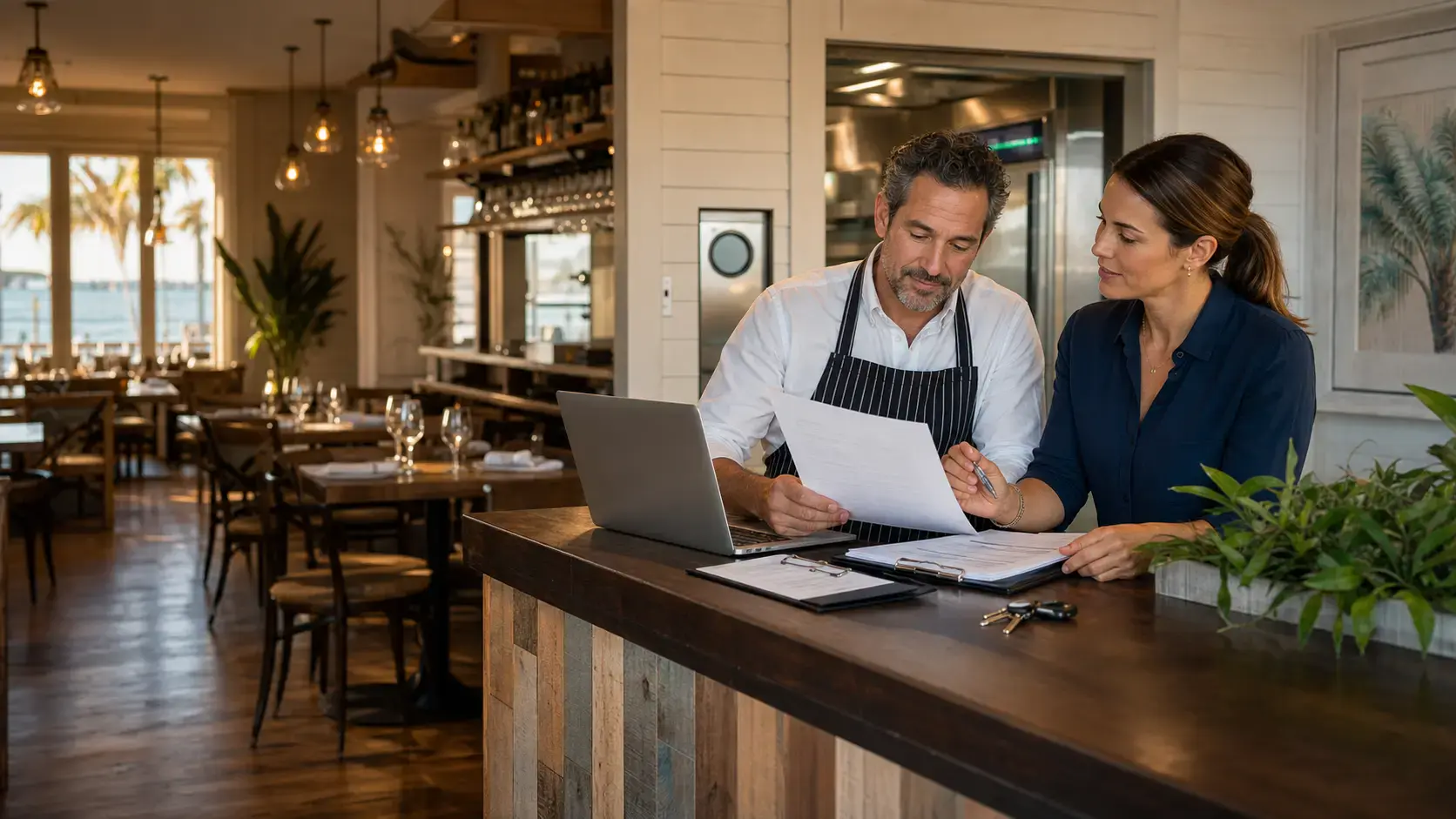
Before a Florida restaurant renewal, organize the account around the facts carriers actually ask for: general liability, property, liquor liability, workers comp, delivery, lease certificates, sales, payroll, alcohol receipts, loss runs, and current policy wording.
Renewal offer in hand?
Send the current policy, renewal offer, lease COI wording, sales, payroll, alcohol receipts, loss runs, and delivery details so we can compare the renewal against current options.
Start with the coverage lines and documents that usually create last-minute pain: lease certificates, alcohol receipts, payroll, delivery, property values, spoilage, hood records, loss runs, and whether the renewal quote is based on stale information.
Review premises liability, products/completed operations, additional insured wording, landlord certificate requests, waiver language, events, catering, vendors, and any lease limits that are due before renewal.
Update building or tenant improvement values, contents, signs, outdoor property, roof details, wind deductibles, flood questions, business income, extra expense, ordinance or law, and lender or landlord requirements.
Pull hood suppression records, fire alarm or sprinkler details, cooking type, fryers, grills, walk-in coolers, refrigeration, equipment breakdown, spoilage, maintenance notes, and loss-control recommendations.
If alcohol is sold, separate food sales from alcohol receipts and review liquor liability limits, exclusions, assault/battery wording, training, hours, entertainment, security, and contract requirements.
Update payroll by role, employee count, owners/officers, class-code questions, tipped employees, kitchen staff, delivery staff, claims, safety procedures, and any audit paperwork from the prior term.
Document delivery apps, employee delivery, catering, food trucks, pop-ups, farmers markets, rentals, private events, personal vehicle use, hired/non-owned auto, and who controls the customer handoff.
Gather annual gross sales, projected sales, alcohol receipts, catering receipts, delivery receipts, payroll, owner duties, and any carrier audit worksheets so the renewal is not built on stale estimates.
List owned vehicles, employee personal vehicle use, rentals, borrowed vehicles, reimbursed mileage, delivery rules, driver controls, MVR process, and whether the current policy actually covers the exposure.
Renewal Documents
Insurers use these details to understand how food is prepared, how alcohol is handled, who drives, what changed, why claims happened, and whether the lease or lender is asking for wording the current policy does not support.
Include lease certificate requirements, current alcohol receipts, and delivery details so each quote reflects the restaurant as it operates today.
Send what you have now. We can tell you what is missing and help compare coverage and pricing before the renewal deadline.
Most renewal problems start as one innocent assumption. Then the lease, audit, claim, or carrier question shows up and everyone can compare the renewal with fewer last-minute questions.
A license and an insurance policy are different things. Review liquor liability limits, exclusions, assault/battery wording, additional insured requests, alcohol receipts, training, security, and any event or landlord requirements.
Third-party delivery does not answer every driving question. Employees may still run catering, errands, owner deliveries, bank deposits, supply runs, or backup deliveries in personal or rented vehicles.
Stale estimates can distort rating, audits, workers comp classification, liquor liability review, and carrier availability. Use current sales, payroll, alcohol receipts, delivery receipts, and expected changes before the renewal is quoted.
Watch list
Share these details with the renewal packet so we can compare coverage and pricing using current information.
These sources ground the page in Florida regulatory and safety context. The restaurant's contracts and policy terms still determine the coverage required.
Florida CFO guidance says non-construction employers with four or more employees generally must have workers compensation coverage.
Florida DBPR licensing context for public food service establishments, inspections, and hotel/restaurant regulatory questions.
Florida DBPR context for alcoholic beverage licensing. Insurance review should separate the liquor license from liquor liability coverage.
Florida's liability for injury or damage resulting from intoxication statute. Use it for legal context, not as a reason to skip liquor liability review.
OSHA restaurant serving safety topics that help frame burns, cuts, slips, falls, strains, and workplace safety controls before workers comp renewal.
Ready to compare?
Greene & Associates can review the current policy, renewal offer, lease requirements, sales, payroll, alcohol receipts, loss runs, property details, delivery exposure, and certificate wording so the quote conversation starts with the right facts.
A Florida restaurant should gather current policies, renewal offers, declarations, endorsements, loss runs, lease and certificate requirements, gross sales, alcohol receipts, catering and delivery receipts, payroll by role, employee count, workers comp audit paperwork, property values, roof and fire protection details, hood suppression records, refrigeration and spoilage details, vehicle or delivery information, and any contract requirements.
Florida law does not universally require liquor liability for every restaurant, but landlords, contracts, insurers, events, lenders, or business partners may require it. Because alcohol-related claims may fall outside a general liability policy, compare the liquor-liability wording, limits, and contract requirements separately.
Not automatically. A third-party app may reduce some exposure, but restaurants should still review employee delivery, catering, errands, owner driving, rented vehicles, borrowed vehicles, reimbursed mileage, and hired/non-owned auto wording before assuming there is no business auto risk.
Start when the renewal offer arrives or earlier if the restaurant has alcohol, delivery, catering, prior claims, workers comp audits, landlord certificate requirements, property values, wind or flood questions, or a non-renewal notice. More lead time gives us more room to compare prices.
Sales, payroll, and alcohol receipts can affect pricing, audits, liquor liability, workers comp classifications, and the carrier options available. Current figures help us compare accurate renewal prices.
Our main Florida restaurant, cafe, bar, food service, catering, liquor liability, property, spoilage, and workers comp coverage page.
Review the cost drivers behind restaurant insurance: sales, payroll, alcohol, property values, cooking exposure, delivery, and leases.
Support guide for alcohol-service exposure, liquor liability, spoilage, equipment breakdown, delivery, catering, workers comp, and lease COIs.
Send the renewal packet, lease, sales, payroll, alcohol receipts, loss runs, and current policies when you are ready to compare options.
Review Florida workers comp thresholds, payroll, employee roles, class-code questions, audits, and claims before renewal.
Employee personal cars, rentals, borrowed vehicles, reimbursed mileage, errands, delivery, and contract HNOA questions.