
Quote data needed
Personal Auto
Driver, vehicle, garaging, personal use
Commercial Auto
Vehicle schedule, drivers, radius, contracts, HNOA
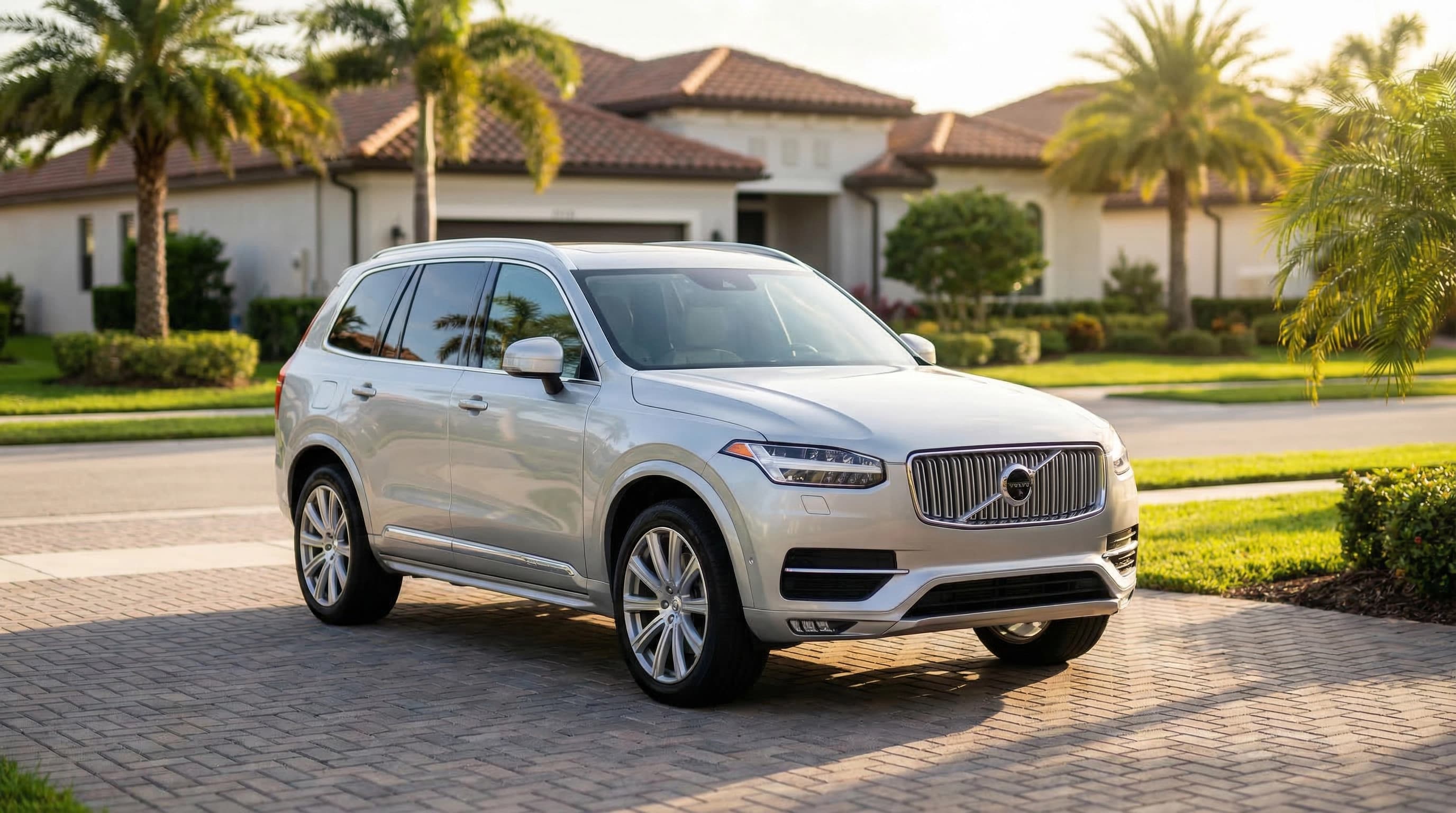
Personal auto is built for ordinary personal driving. Commercial auto is built for business vehicle use: deliveries, client visits, contractor trucks, company cars, employee errands, and fleet operations. The right answer depends on ownership, title, use, drivers, contracts, and policy language.
Personal Auto
Commercial Auto
Personal Auto
Commercial Auto
Personal Auto
Commercial Auto
Personal Auto
Commercial Auto
Personal Auto
Commercial Auto
Personal Auto
Commercial Auto
Personal Auto
Commercial Auto
Personal Auto
Commercial Auto
Personal Auto
Commercial Auto
Personal Auto
Commercial Auto
| Feature | Personal Auto | Commercial Auto |
|---|---|---|
| Quote data needed | Driver, vehicle, garaging, personal use | Vehicle schedule, drivers, radius, contracts, HNOA |
| Intended Use | Personal commuting, errands, family trips | Business deliveries, client visits, fleet |
| Business-use concern | Must be disclosed and reviewed | Policy is built around business use |
| Liability Limits | Selected limits depend on the personal auto policy and Florida minimum requirements | Limits are reviewed against contracts, vehicle use, filings, and umbrella/excess needs |
| Physical Damage Coverage | Comprehensive, collision available | Comprehensive, collision, coverage limits higher |
| Medical Payments | Optional limit review where available | Reviewed by coverage form, state rules, and account needs |
| Uninsured Motorist Coverage | Available | Available |
| Multi-vehicle review | N/A — single vehicle | Schedule, drivers, garaging, and fleet fit reviewed |
| Vehicle Title | Generally personal-name vehicles; business titling needs review | Business-titled, leased, financed, or personally titled but business-used |
| Florida Legal Requirement | Satisfies personal vehicle requirement | Depends on title, use, vehicle type, contracts, and filings |
Pricing and eligibility vary by carrier, coverage limit, vehicle type, garaging, driver history, business use, radius, and policy form. Use this comparison to identify the right quote, not as a rate chart.
Business use needs to be disclosed before a claim. If a vehicle is used for deliveries, client visits, equipment transport, job-site travel, or employee errands, the carrier will look at the facts and the policy wording. A personal policy written for ordinary driving may not match that exposure.
The policy needs to match how the vehicle is used. A contractor pickup, delivery van, sales car, company-titled SUV, employee-owned car used for errands, and rented vehicle can all need different commercial auto or HNOA answers.
Fastest fix: send the vehicle details, driver list, garaging ZIP, radius, current policy, and contract requirements. Our office can help decide whether commercial auto, HNOA, fleet, trucking, cargo, or another route fits.
Florida registered vehicles must carry required insurance, but business use adds a separate coverage question. A business-titled vehicle, leased company car, contractor truck, delivery van, employee-owned car used for errands, or heavier vehicle should be reviewed before assuming a personal auto policy is enough.
Contracts can also create higher requirements than the state baseline. General contractors, vendors, landlords, lenders, and customer portals may ask for specific auto limits, covered auto symbols, additional insured wording, HNOA, or umbrella limits.
That is why the quote details matter. Vehicle schedules, driver lists, garaging, radius, current declarations, contracts, and loss history give carriers a real picture instead of a generic business-auto guess.
“Tell us who owns the vehicle, who drives it, what it carries, and how often it is used for work. We can compare personal and commercial options and show you the policy terms and pricing before you choose.”
If your business occasionally uses employee personal vehicles for work — such as a delivery driver using their own car for one-off deliveries or employees using personal vehicles for client visits — hired and non-owned auto (HNOA) coverage may help protect the business from liability tied to vehicles it does not own.
HNOA is NOT a replacement for commercial auto. If your business regularly uses vehicles for business purposes, company-owned vehicles, titled vehicles, or regularly controlled vehicles need their own commercial auto review. HNOA is not a shortcut for owned autos, delivery-heavy operations, or hired-auto physical damage questions.
Talk to us about your vehicle usage. If employees use personal cars, rented vehicles, or borrowed vehicles for work, we can review whether HNOA, commercial auto, symbols 8/9, or a broader fleet setup fits the account.
Personal auto coverage, limits, and discounts in Florida
Business vehicle insurance requirements and options
Employee personal cars, rentals, borrowed vehicles, and symbols 8/9
Florida auto insurance rates by region and profile
What proposed PIP repeal legislation could mean for all auto policies
Greene & Associates reviews commercial auto and personal auto options through Florida markets. We will compare title, use, drivers, contracts, symbols, and policy terms before a vehicle gets routed to the wrong form.