
Habitational Insurance in Florida: Condo Buildings, Apartments & More
Florida condo buildings and apartment complexes face unique insurance risks. Here's what property owners and HOAs need to know about habitational coverage.
Al Greene
Licensed Insurance Agent
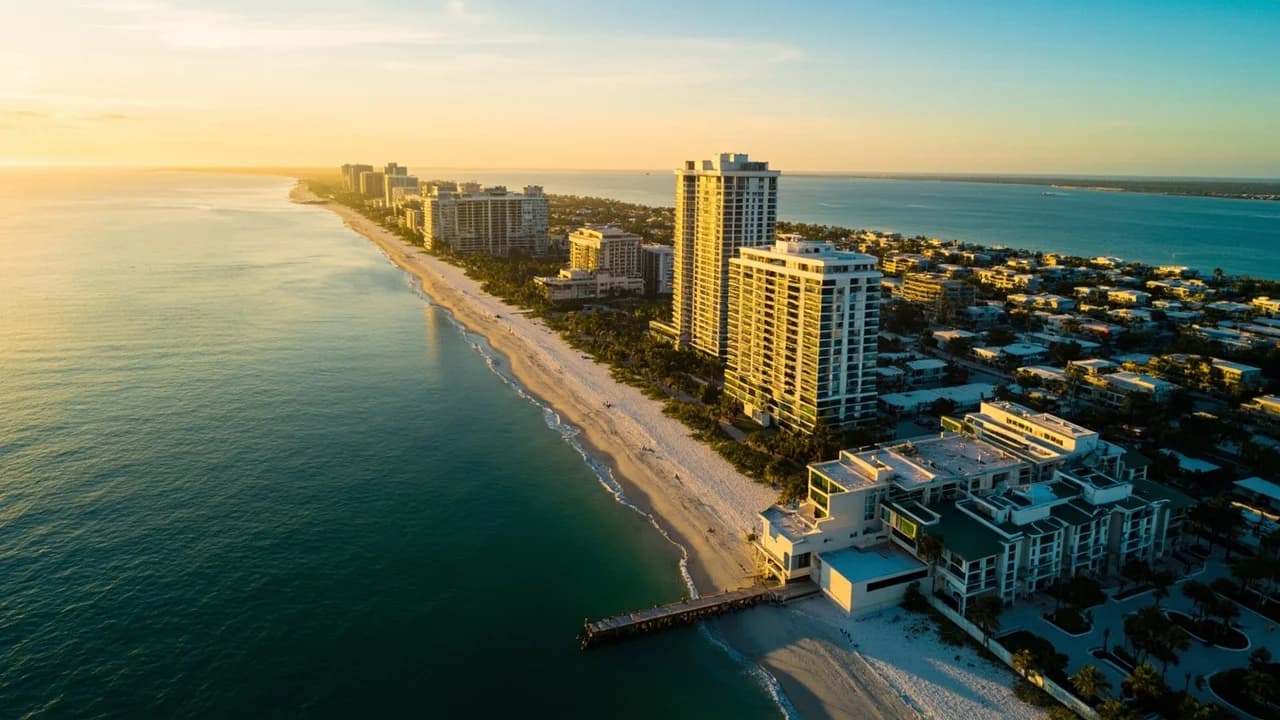
Florida's residential real estate landscape is unlike anywhere else in the country. Dense coastal condo towers, sprawling apartment complexes, 55-and-over communities, resort-style HOAs — the state has more habitational property exposure than almost any other market. And with that comes a unique insurance challenge: standard commercial property programs weren't built for Florida's hurricane risk, litigation environment, and aging building stock.
If you own or manage a condo building, apartment complex, HOA community, or other multi-unit residential property in Florida, this guide covers what you need to know about habitational insurance — what it covers, what it costs, and how to build a program that actually protects your investment.
What Is Habitational Insurance?
Habitational insurance is the commercial insurance category that covers income-producing residential properties. This includes:
- Apartment complexes (market-rate, workforce, subsidized)
- Condominium buildings (association master policies)
- Townhome communities (HOA common area coverage)
- Mixed-use developments (residential above retail)
- Student housing and senior living communities
- Short-term rental properties (Airbnb, VRBO — specific programs required)
The term "habitational" distinguishes these from standard commercial properties (office buildings, retail, industrial) because the unique risk profile of residential occupancy — tenant turnover, premises liability, habitability standards, water damage frequency — requires specialized underwriting.
A habitational insurance program isn't a single policy. It's a coordinated package of coverages designed to protect the physical asset, the rental income stream, and the property owner's liability exposure.
Core Coverages in a Habitational Program
Commercial Property (Building Coverage)
This is the foundation — coverage for the physical structure against fire, windstorm, hail, vandalism, and other covered perils. For Florida properties, the critical decisions are:
Replacement cost vs. actual cash value. Replacement cost pays to rebuild at current construction prices. ACV pays the depreciated value — and given Florida construction costs, ACV settlements frequently leave property owners far short of what they need to restore the building.
Ordinance or law coverage. Florida building codes have changed significantly over time, particularly after major storm seasons. If an older building is substantially damaged, the repair may need to meet current code instead of the code in effect when the building was built. Ordinance or law coverage helps address those code-upgrade costs when the policy is written to include it.
Equipment breakdown. Elevators, HVAC systems, boilers, electrical systems. For mid-rise and high-rise properties, equipment breakdown coverage is essential.
General Liability
Protects against third-party bodily injury and property damage claims arising from the premises. Slip-and-falls in common areas, pool and amenity injuries, claims from visitors and delivery personnel — all flow through general liability.
For Florida habitational properties, many leases, lenders, and umbrella programs start the liability conversation around $1,000,000 per occurrence / $2,000,000 aggregate. Properties with pools, fitness centers, or other amenities should review whether higher limits or an umbrella layer fit the exposure.
Florida's Litigation Environment Is Exceptional
Florida property owners operate in a difficult liability and claim environment. Water damage, premises injuries, attorney involvement, and high-value property disputes can make habitational liability a serious exposure. Larger properties should work with an agent to right-size the liability program instead of relying on minimum limits by default.
Loss of Rental Income
If a covered loss makes units uninhabitable, loss of rental income coverage can replace rent you can no longer collect during the period of restoration. For a 40-unit apartment building, even a partial shutdown can create a large lost-rent problem during a long restoration period.
Most policies provide 12 months of rental income coverage. For larger properties or those in high-risk coastal areas, extending to 18 or 24 months is worth the premium.
Flood Insurance
Standard commercial property policies exclude flood. In Florida, this is a critical gap. Flood insurance must be purchased separately — either through the National Flood Insurance Program (NFIP) or the private flood market.
NFIP commercial building limits may be too low for many multi-unit properties. Private flood carriers may be worth reviewing when the building value, lender requirement, or income exposure is larger than the basic NFIP structure.
Flood Gap — What NFIP Doesn't Cover
A 24-unit apartment building in Jacksonville FL is insured for a replacement-cost building limit that is much higher than the flood limit the owner originally bought.
During a severe tropical storm, the ground floor floods. The damage is within the building value but above the available flood limit. The owner now has to deal with a gap that could have been reviewed before renewal.
That does not mean private flood is always better, but it does mean the flood limit should be compared against the actual building and income exposure instead of treated as a lender checkbox.
Windstorm / Hurricane Coverage
For coastal Florida properties and many inland properties as well, windstorm coverage is either excluded from the commercial property policy or subject to a separate windstorm deductible — typically 2-5% of the insured building value, not a flat dollar deductible.
On a $4M building, a 3% windstorm deductible means the first $120,000 of a covered windstorm loss may be the owner's responsibility before the policy responds. The deductible structure should be reviewed before renewal instead of discovered after a storm.
Understanding your windstorm deductible and having adequate reserves is part of responsible property ownership in Florida.
Own a multi-unit property in Florida?
HOA and Condo Association Insurance: Florida-Specific Requirements
Florida's Condominium Act (Chapter 718, Florida Statutes) and Homeowners Association Act (Chapter 720) impose specific insurance obligations on Florida associations.
What Florida Law Requires for Condo Associations
Florida Statute §718.111(11) requires condominium associations to maintain:
- Property insurance on the condominium building structure and common elements, with replacement cost coverage
- Liability insurance covering the association's operations
- Fidelity bonding (crime coverage) for anyone who controls association funds
The coverage must be placed with an admitted carrier (licensed in Florida) or a surplus lines carrier approved by FlOIR.
Bare Walls vs. All-In Coverage
This is the most critical distinction in condo association insurance and the source of the most disputes:
Bare walls-in: The association's master policy covers the structure and common areas only. Everything inside the unit — flooring, cabinets, fixtures, drywall finishing — is the unit owner's responsibility. Unit owners need robust HO-6 policies.
All-in (walls-in): The master policy covers original fixtures and finishes within each unit. Unit owners still need coverage for their personal improvements, personal property, and liability — but the baseline unit finishes are covered under the master policy.
Florida associations must specify in their declaration of condominium which approach applies. If you're not sure which your association uses, this needs to be clarified immediately — it directly affects what unit owners should carry in their HO-6 policies.
Pro Tip
If you're on the board of a Florida condo association, have your insurance agent conduct an annual coverage review that includes walking through the declaration language with the board. Misalignment between the master policy and unit owner policies is the #1 source of coverage disputes after a loss — and in Florida, those disputes frequently become litigation.
What Drives Habitational Insurance Costs in Florida
Florida habitational insurance is expensive. Here's why — and what you can do about it:
Hurricane and catastrophe exposure. Reinsurance costs for Florida carriers have increased dramatically following recent storm seasons. Those costs flow directly to property owners. Location within the state, distance to coast, and construction type are the primary drivers.
Construction type and age. Frame construction (wood) costs significantly more to insure than masonry or concrete. Buildings constructed before 1994 (pre-Andrew building codes) face higher rates and sometimes limited market access. Buildings with recent roof replacements and updated mechanical systems get better rates.
Roof condition and age. In Florida, older roofs trigger underwriting scrutiny. Carriers may ask for inspections, permits, photos, repair records, or replacement plans before deciding whether the property fits their appetite.
Claims history. Prior water damage claims, liability claims, and weather losses all factor into pricing and market access. Properties with loss runs showing frequent water intrusion claims are difficult placements.
Property management quality. Carriers ask detailed questions about management practices — tenant screening, maintenance protocols, response times. Well-managed properties with documented procedures get better treatment from underwriters.
Habitational quote files carriers can actually review
Garden apartment: Building schedule, construction details, roof records, unit count, loss of rents, prior losses, occupancy, and maintenance notes.
Mid-rise condo: Replacement-cost appraisal, master policy, bylaws, roof and envelope records, flood review, D&O, crime/fidelity, reserves, and board documents.
Townhome community HOA: Building values, association responsibility, unit-owner responsibility, common areas, vendor certificates, maintenance records, and board controls.
Directors & Officers (D&O) Insurance for HOAs and Condo Boards
HOA and condo board members make decisions that affect all property owners. They're exposed to claims from unit owners who disagree with assessment decisions, maintenance priorities, rule enforcement, or financial management.
D&O insurance (also called Management Liability for community associations) protects board members personally against claims alleging mismanagement, breach of fiduciary duty, or failure to enforce governing documents.
In Florida's claim environment, D&O coverage for condo and HOA boards deserves serious attention. A disputed assessment, maintenance decision, or rule-enforcement issue can turn into a claim against the board or individual directors.
Need to review your community association insurance program?
Finding a Habitational Insurance Market in Florida
Habitational insurance in Florida is a specialty placement. Not every carrier writes it — and not every agent has access to the markets that do. This matters enormously:
Admitted vs. surplus lines. Many Florida habitational risks, particularly older properties and coastal locations, end up in the surplus lines market (non-admitted carriers like Lloyd's of London syndicates, and domestic surplus lines companies). Surplus lines coverage is legal and often the only option available — but it requires working with an agent who has surplus lines access and relationships with specialty markets.
Market access. Greene & Associates works with multiple carriers and surplus lines markets for habitational placements across Florida. If the account is only sent to one or two markets, the board or property owner may not know whether the renewal reflects the best available fit, a coverage tradeoff, or an incomplete submission.
Annual remarketing. The Florida habitational market shifts frequently. A carrier that was competitive last year may have pulled back or non-renewed their Florida book. An agent who doesn't actively remarket your program at renewal isn't doing their job.
Key Takeaway
Florida habitational insurance is one of the most complex commercial insurance placements in the country. The combination of hurricane exposure, litigation risk, aging building stock, and a challenging admitted market means property owners need an agent who specializes in this space — not a generalist who happens to write some commercial property. Getting it right requires market access, technical knowledge of coverage forms, and active program management year after year.
Get Habitational Insurance for Your Florida Property
Greene & Associates Insurance has been placing commercial property coverage for Florida property owners for over 30 years. We work with admitted and surplus lines markets to find the right habitational program for your specific property — whether it's a 10-unit apartment in Lake City, a 100-unit condo in Jacksonville, or an HOA community anywhere in Florida.
Request a habitational insurance quote — Greene & Associates Insurance. Free quotes from 20+ carriers.
Also see: Commercial Property Insurance | Lessors Risk Coverage | Property Manager Insurance | Commercial Umbrella Insurance
Frequently Asked Questions
What is habitational insurance in Florida?
Habitational insurance is commercial property and liability coverage for income-producing residential properties — apartment buildings, condo associations, HOA communities, and mixed-use developments. It covers the building structure, common areas, liability exposure from tenant and visitor injuries, and rental income if units become uninhabitable after a covered loss. Standard homeowners policies aren't designed for these properties.
Do condo associations need their own insurance in Florida?
Yes. Florida Statute §718.111(11) requires condo associations to maintain property insurance on the building structure and common elements at replacement cost, plus liability coverage and fidelity bonding for anyone who handles association funds. Individual unit owners are separately responsible for insuring their unit's interior and personal property via an HO-6 policy.
What does habitational insurance cover for apartment buildings?
A complete habitational program includes commercial property (structure, mechanical systems), general liability (premises liability, slip-and-fall), loss of rental income during restoration after a covered loss, and optional coverages including flood, windstorm, umbrella liability, and crime/employee dishonesty. The exact program depends on property location, construction type, and ownership structure.
How much does habitational insurance cost in Florida?
Florida habitational insurance is among the most expensive in the country. A 20-unit apartment building might run $25,000–$60,000+ per year depending on construction type, age, location, and coverage limits. Coastal and older wood-frame properties pay significantly more. Working with an independent agent who actively markets your program across multiple carriers is the most effective way to manage cost.
What is the difference between a condo master policy and individual unit coverage?
The condo association's master policy covers the building structure, common areas, and association liability. Individual unit owners need their own HO-6 policy to cover interior finishes, personal property, personal liability, and the gap between the master policy coverage and their unit — particularly important if the master policy is "bare walls-in" rather than "all-in." Knowing which type your association carries is critical before a loss occurs.
Find the Right Habitational Coverage for Your Florida Property
Whether you're insuring a small apartment building in Lake City, a condo association in Jacksonville, or an HOA community anywhere in Florida, Greene & Associates can help you find the right program. We've been protecting Florida property owners for over 30 years from our office at 417 SW Baya Dr in Lake City.
Get a free habitational insurance quote — Greene & Associates Insurance. Free quotes from 20+ carriers.
Al Greene
Founder
Al Greene founded Greene & Associates in 1995 and has been a licensed Florida 2-20 General Lines Insurance Agent since 1983 — over 40 years in the industry. A U.S. Military Veteran and longtime FAIA member, he's seen the Florida market through every storm season and rate cycle since Hurricane Andrew. FL License #A103686.
al@greeneinsurance.comReady to Get Covered?
Our licensed agents are here to answer your questions and review coverage options for your needs.