
General Liability for Landscaping Companies in Tampa FL
What landscaping companies in Tampa FL need to know about general liability insurance, quote factors, coverage gaps, contracts, and workers comp.

Joe Greene
Licensed Insurance Agent
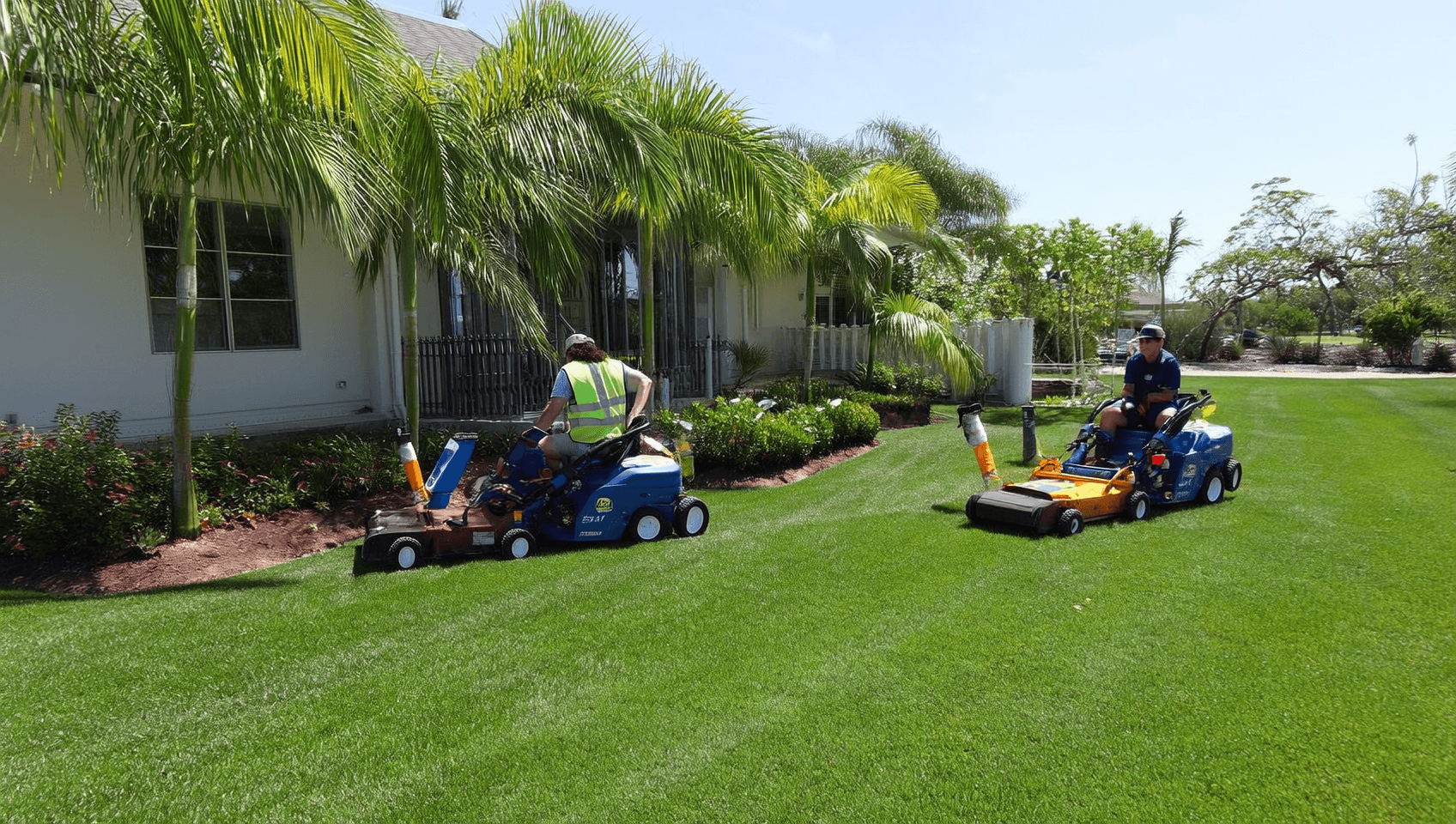
Landscaping looks like simple work from the outside — mow, trim, plant, repeat. But from an insurance standpoint, it's one of the riskier trades in Florida. You're operating heavy equipment on other people's property, applying chemicals near structures and waterways, and sending crews out daily across Hillsborough County in trucks packed with sharp blades and high-powered machinery.
General liability insurance can protect a landscaping business from covered bodily-injury and property-damage claims arising from its operations. If you're running a landscaping company in Tampa and want to compare coverage and price, this guide is for you.
Key Takeaway
- Tampa landscaping GL cost depends on revenue, crew size, services, chemical exposure, contracts, limits, and claims history - Commercial and HOA clients often require proof of GL before signing contracts - Standard GL policies may exclude or limit pesticide liability, so chemical work needs specific review - GL does NOT cover your workers; that's workers comp. Florida requirements depend on industry classification, employee count, and entity structure. - Greene & Associates compares coverage and pricing from business insurance carriers that serve Florida landscaping companies
Why Landscaping Companies in Tampa Face Real Liability Exposure
General liability isn't just a piece of paper you need to win contracts. Landscaping genuinely carries third-party risk that other trades don't — and Tampa's dense residential and commercial market amplifies that exposure.
Your crews work on client property every single day. A mower blade throws a rock through a sliding glass door. An edger clips an irrigation line buried two inches under the turf. A herbicide application drifts onto the neighbor's ornamental plants. A client trips over the ramp on your trailer parked on their driveway. Any of these scenarios becomes a GL claim.
According to the Bureau of Labor Statistics, landscaping and groundskeeping is consistently ranked among the top 20 most hazardous occupations in the US. That hazard extends beyond your own workers — it extends to every property you touch.
The Risk You Might Not Be Thinking About
Completed operations liability covers damage that's discovered after you leave a job — a dead tree root system, a broken irrigation valve that floods a lawn weeks later, or a hedge trim that killed expensive ornamentals. This coverage is built into standard GL, but it's why even one-person operations need it.
Tampa landscapers serve hotels, office parks, HOAs, shopping centers, and homeowners. Commercial clients may ask for a certificate, specific liability limits, or additional-insured wording before work starts, so check the contract while pricing the job.
What General Liability Actually Covers for Landscaping Operations
General liability for a Tampa landscaping company covers three primary exposures: bodily injury to third parties, property damage to client or bystander property, and completed operations claims.
Bodily Injury Coverage
If someone alleges that your work caused an injury — a customer trips over equipment on a walkway, for example — general liability may respond to the claim under the policy's bodily-injury and defense provisions. Compare the limits and terms with the jobs you want to win.
Property Damage Coverage
Mowers, trimmers, trailers, and crews can damage structures, vehicles, fencing, irrigation systems, or landscaping. Ask how the policy treats damage to a customer's property, property in your care, and completed work.
A Property-Damage Question to Review
A landscaping crew damages a buried electrical line while working near a courtyard. Whether the claim is covered depends on the facts, exclusions, limits, and policy terms. Describe the work accurately so the quote is built for the equipment and jobs the crew actually handles.
What GL Does NOT Cover
GL is not an all-in-one policy. It has clear exclusions every landscaping owner needs to understand:
- Your own employees' injuries — that's workers comp
- Your equipment and tools — that's inland marine or a commercial property endorsement
- Your work vehicles — that's commercial auto
- Pesticide and chemical damage — standard GL often excludes or severely limits this; requires a specific endorsement
Running a landscaping company in Tampa and not sure what your current policy actually covers? We review GL policies for landscapers all the time — and we find gaps more often than not.
How Much Does GL Cost for a Tampa Landscaping Company?
There is no single reliable general liability price for every Tampa landscaping company. A solo maintenance route, commercial HOA contractor, pesticide applicator, irrigation installer, and tree-work operation can all price differently. Here's what drives the number up or down.
Key Rating Factors
Annual Revenue
The primary driver of your GL premium. Carriers use revenue as a proxy for exposure because more jobs usually mean more chances for something to go wrong. Accurate sales estimates matter because underreporting can create audit or claim problems later.
Services You Offer
Basic mowing and maintenance rates differently than tree trimming, pesticide application, or irrigation installation. Tree work and chemical application carry higher premiums because the claim severity potential is higher. If you do both mowing and tree trimming, make sure your policy lists tree work explicitly — some standard landscaping policies exclude it.
Claims History
A claim-free history can support more insurer options. Recent chemical, structural damage, vehicle, or injury claims may change the available coverage and price.
Crew Size and Payroll
More employees = more exposure. Carriers look at total payroll as a secondary rating factor, and it affects both GL and workers comp premiums.
What pushes a landscaping GL quote higher
- More payroll, revenue, crews, or locations - Commercial contracts, HOA work, additional insured wording, and waiver requests - Pesticide, herbicide, fertilizer, irrigation, tree, or storm-cleanup work - Prior claims, larger limits, umbrella requirements, or higher certificate demands
Give the insurer an accurate picture of revenue, services, commercial work, subcontractors, vehicles, and chemical applications. That lets us compare coverage and pricing for the operation the company actually performs.
The Pesticide Endorsement Problem in Florida
If your landscaping company applies herbicides, fertilizers, or pesticides in Tampa — and most operations do — your standard GL policy may not cover you for chemical-related damage claims.
Many GL policies contain a pollution exclusion, and some insurers may apply it to pesticide or herbicide drift, runoff, or misapplication. Review the actual form and endorsements so you know whether chemical-application claims are covered.
Depending on the insurer and operation, a pesticide or herbicide applicator endorsement may be available. We compare the wording alongside the services you provide and the contracts you take on.
Pro Tip
If you hold a Florida Pesticide Applicator License, ask your agent specifically: "Does this policy have a pesticide/herbicide liability endorsement?" Don't assume. Get the answer in writing on your policy declarations page. If the carrier says it's covered under GL without an explicit endorsement, push for documentation.
Florida pesticide and herbicide work should be reviewed against the actual licensing, services, chemicals, and policy wording involved. The competition for lawn care and landscaping contracts is fierce, and the liability for chemical misapplication is real.
Need GL coverage that includes pesticide applicator liability? We work with carriers that write Tampa landscaping operations and can compare available options.
GL Requirements for Tampa Commercial and HOA Contracts
If you want to work with commercial property managers, HOAs, or municipal contracts in Tampa, you'll need to meet specific GL minimums before you can even submit a bid.
Standard Commercial Requirements
Many commercial property managers in Hillsborough County may require:
- specific general liability limits, often starting around $1,000,000 per occurrence / $2,000,000 aggregate
- Your client listed as an additional insured on your policy
- A certificate of insurance provided before work begins
- Some require waiver of subrogation endorsements
HOAs and large commercial complexes may require higher limits, additional insured wording, waiver wording, or umbrella coverage. If your current policy does not meet the contract, the certificate alone will not fix the gap.
Getting Added Insured Right
This trips up a lot of landscaping companies. When a client asks to be listed as an additional insured, that needs to happen through a formal endorsement on your policy — not just a hand-written note on a certificate. Your agent handles this, and it usually takes 24–48 hours to process. Keep a list of clients who require AI status and make sure every certificate reflects it accurately.
Certificate Requests Move Fast
In Tampa's commercial landscaping market, you may need to produce a certificate of insurance the same day a contract is signed. Work with an agent who can turn around certificates quickly — and make sure your policy already has the right limits before you're in that situation.
Pair General Liability With the Other Coverage You Need
GL is the foundation, but it's not the whole building. Most Tampa landscaping operations need additional coverage to be fully protected.
Workers Compensation
Florida workers comp requirements depend on the employer's industry classification, employee count, and entity structure. Construction-industry employers have a one-or-more-employee threshold, while many non-construction employers use a different threshold. Because landscaping, land-clearing, irrigation, and site-work accounts can be classified differently depending on the work performed, do not guess. Check the official Florida employer coverage guidance and have the account reviewed before assuming workers comp is optional.
Commercial Auto
Your pickup trucks, trailers, and work vehicles are not covered by personal auto insurance when used for business. A commercial auto policy covers your fleet for liability and physical damage while working. This is separate from GL and from your personal auto policy.
Inland Marine / Equipment Coverage
Your mowers, trimmers, blowers, and trailers are business property. GL doesn't cover your own equipment — if a mower gets stolen from a job site or damaged in a truck bed collision, you need inland marine or a business property floater to recover those costs.
Key Takeaway
A well-built Tampa landscaping insurance review often looks at GL, workers comp, commercial auto, and equipment coverage together. If you're running multiple crews or doing commercial work, inland marine for equipment, trailers, and tools may also need review. Cost depends on payroll, classification, vehicles, equipment values, services performed, claims, and contract requirements.
Want to compare the full cost of insurance for your Tampa landscaping operation? Send your services, payroll, vehicles, equipment, chemical work, and contract details so we can compare coverage and prices.
Frequently Asked Questions About Landscaping GL Insurance in Tampa
How much does general liability insurance cost for a landscaping company in Tampa FL?
Cost depends on revenue, crew size, services, chemical or pesticide work, contracts, limits, deductibles, and claims. Greene can compare current Tampa prices using the landscaping company's actual operation.
Do landscaping companies in Florida need general liability insurance?
Florida does not impose one general liability requirement on every landscaping business. A client, property manager, HOA, lease, or contract can require coverage and specific limits, so check each job's insurance terms.
What does general liability insurance cover for a landscaping company?
A general liability policy may respond to covered claims alleging third-party injury, property damage, or harm tied to completed work. Employee injuries, owned equipment, vehicles, and professional services involve separate coverage questions.
Does my landscaping GL policy cover pesticide application in Florida?
Pesticide and herbicide work may be limited or excluded depending on the policy. Tell your agent exactly which chemicals and services the crew provides so the quote can include any needed endorsement or separate coverage.
What's the difference between general liability and workers comp for landscapers?
General liability addresses covered claims from third parties, while workers compensation addresses employee job injuries and related statutory benefits. Whether the business needs both depends on its work, staffing, business structure, contracts, and current Florida requirements.
Get Landscaping Insurance Quotes in Tampa
Greene & Associates Insurance has been helping Florida contractors and trade businesses review coverage for over 30 years. We work with business insurance carriers that may fit landscaping operations, including accounts with pesticide endorsements, commercial contract requirements, and higher-volume operations.
If you're in Tampa or anywhere in Hillsborough County, we can review your GL, workers comp, commercial auto, equipment, and contract requirements together so the quote matches the work your operation actually performs.
Call us or start a general liability quote. We will compare coverage and prices using the services, payroll, vehicles, equipment, chemicals, and contract requirements that apply to your business.
For more on contractor coverage in Florida, see our contractor insurance resources and commercial insurance overview. We also serve landscaping companies across Jacksonville, Gainesville, Lake City, and all of North Florida.
Commercial Insurance Team Leader
Joe Greene began his Florida insurance career in 2004 and holds an active Florida 2-20 General Lines license. He leads commercial insurance work at Greene & Associates, with depth in commercial property, fleets, contractors, workers compensation, general liability, habitational risks, and contract requirements. FL License #P005559.
joe@greeneinsurance.comReady to Get Covered?
Our licensed agents compare carrier options, coverage, and price, then help you choose.